
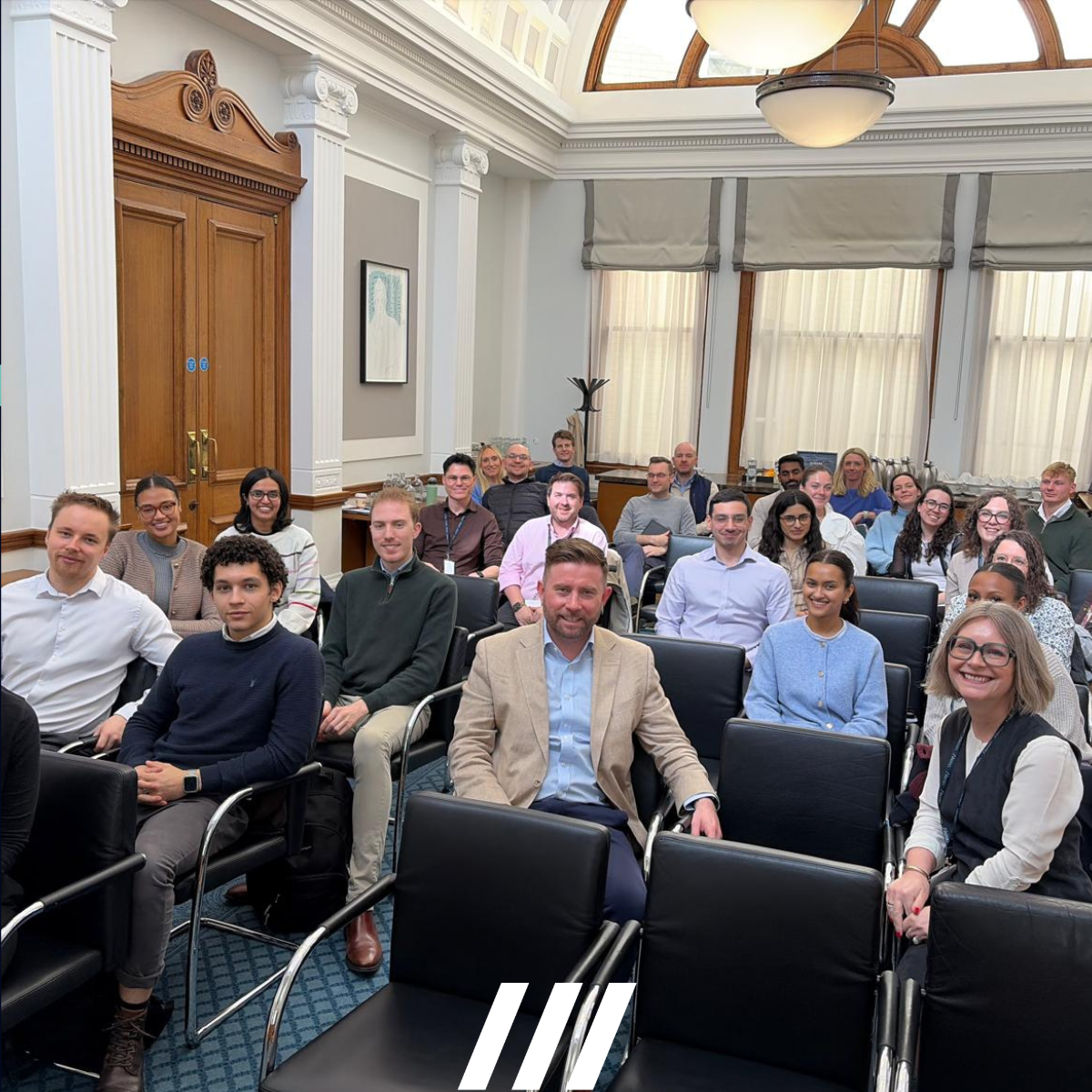
Consulting environments are shaped by pace, ambiguity and constant communication. In these conditions, small differences in how people process information can have a disproportionate impact on performance. During Neurodiversity Week at Akeso, we focused on moving beyond awareness to examine how everyday ways of working can either create unnecessary friction or enable different minds to perform at their best.
Key Activities & Insights
Across the week, colleagues engaged with external training facilitator UNLRN and took part in an internal Lunch and Learn. The focus was not simply on understanding neurodiversity, but on how it shapes day-to-day consulting work. A clear insight emerged: many neurodivergent individuals succeed not because systems work for them, but because they invest additional effort adapting to systems that were never designed with them in mind.
Viewing neurodiversity through a social model lens shifted the focus from individual capability to how ways of working are structured. Expectations around communication, pacing, meetings and definitions of what “good work” looks like can create unnecessary barriers. Colleagues reflected on where invisible effort sits within teams, from translating fast-moving discussions into structured tasks to managing pressure in meetings or masking difficulty to maintain the appearance of coping.
For consulting teams, this has clear implications. Inclusive practices are not separate from performance, they enable it. In practice, this means adopting simple, consistent ways of working that reduce friction and improve clarity across teams:
- sharing agendas in advance
- providing written follow ups
- creating predictable meeting and delivery structures
The Lunch and Learn focused on how these ideas translate into everyday delivery. Through real consulting scenarios, colleagues explored how inclusive behaviours show up day to day – particularly in how change is communicated and how contributions are recognised in meetings. The emphasis was on building clarity, consistency and curiosity into team interactions, rather than seeking a single correct approach.
Colleague Reflection
One impactful perspective shared during the week came from Junior Consultant Zack, who spoke openly about his personal experience of neurodiversity and why the week mattered to him:
“Two weeks prior to Neurodiversity Week, I was diagnosed with ADHD and Autism within a week of each other. It has been a turbulent time, full of questions about what my diagnosis means to my life and my career. Emotionally, it has been a mixture of relief at being able to carve a path forward from a more informed place, and frustration reflecting on the struggles I have faced on my journey which would have been easier to manage had I gotten diagnosed at an earlier stage in my life.
Speaking to my colleagues about my diagnosis was difficult originally, evoking a feeling of fear about how it would be received, hoping that people would not view me differently as I grappled internal feelings of suddenly viewing myself differently. Thankfully, speaking to my colleagues and being met with such understanding and such a willingness to support me in the workplace has boosted my confidence to speak about my diagnosis, comforting me that there are ways for a person like me to thrive in a neurotypically designed world. To me, that is why Neurodiversity Week is so important.
Hearing my colleagues speak throughout the week about their own experiences, challenge their views and understanding of neurodiverse conditions, and move forward with a greater communal view of how every individual can thrive at Akeso, was fantastic. I feel like, for Akeso, this week has given colleagues broadly more confidence to speak about their neurodiversity and support each other on our journey to become the best versions of ourselves, no matter our brain chemistry.”
Implementing Neuro-friendly Environments
While these behaviours define what good looks like, sustaining them requires the right environment. Teams cannot adapt if they do not understand how individuals work best, yet openness often carries perceived risk. Creating the conditions for effective support means making conversations about preferences, needs and challenges routine, rather than exceptional.
Alongside this cultural shift, the week signposted practical tools already in use across Akeso, including live transcription, focus tools and shared Project Success and Support Plans. These enable teams to align on ways of working early and adjust them as projects evolve, embedding inclusion into day-to-day delivery.
The clear takeaway is that creating an inclusive environment is not about labels or exceptions. It is about recognising different ways of thinking and making deliberate changes to how teams communicate and plan, improving effectiveness for everyone.
Looking Forward
Looking ahead, as consulting continues to evolve, building environments where different minds can perform at their best will be critical to delivering consistent, high-quality outcomes for clients. For Akeso, this is not a one-off initiative. It is a deliberate shift in how teams operate, embedding inclusive practices into the core of delivery to strengthen performance, collaboration and impact for clients.
References
- Social model of disability: https://www.shapearts.org.uk/listing/category/social-model
- Understanding neurodiversity: https://www.autism.org.uk/advice-and-guidance/identity/autism-and-neurodiversity
- Neurodiversity training provider: https://www.unlrn.co.uk/