
Case Study

Kingsbridge Healthcare Group

Kingsbridge Healthcare Group is the largest private medical provider in Northern Ireland delivering a comprehensive range of services across their three core sites: Belfast, Ballykelly, and Sligo. Akeso were engaged to undertake a Spend Diagnostic and Opportunity Assessment across the Group’s third-party spend to identify opportunities to optimise costs and improve margin, without impacting the delivery of care.

Methodology

Using our in-house developed product categorisation tool, we classified and segmented Kingsbridge spend to align their total volume of over 45,000 products to four core service lines: Musculoskeletal (MSK), Medical & Surgical Consumables, Ophthalmology, and Laparoscopy, collectively representing 57% of total spend.

We further distinguished each line into sub-categories, such as hip and knee surgical products within MSK. Our expectation of high procedure volume was confirmed when these two areas accounted for c.70% of MSK spend. By determining spend per service, we developed a coherent understanding of the service drivers from a financial standpoint and subsequently recommended specific opportunities within each category for significant savings.

The methodology followed three stages:

1. Spend Overview

We started with a top-down assessment of expenditure to capture trends across the three sites, main services, and the top ten suppliers which accounted for 56% of total spend. The exercise moved on to a deep-dive analysis, starting with a top-down view of total spend which gave us a holistic view of the organisation. From this, we effectively mapped the month-by-month operations of each site, individual spend overviews for the four service lines, and which suppliers provided the most products with their respective spend.

2. Category Profiles

We created sub-categories within each service line to determine category-specific sourcing strategies to ultimately save costs and reduce complexity of spend. Our subcategory analysis highlighted the product groups driving total spend, the suppliers involved, and the average spend per supplier across each category. Profiling each service was crucial for developing cost-saving opportunities.

For example, within Ophthalmology, 86% of spend was concentrated in just 13% of suppliers. This indicated a clear opportunity to explore further bulk purchasing and reduce tail-end complexity. We repeated this systematic approach for each of the three sites for a comparative view to assess whether spend variation could be standardised.

3. Opportunity Areas & Next Steps

Once we completed our analysis, we led a collective workshop to validate our quantitative analysis and outline our spend-by-service observations. Importantly, we clarified opportunities which were specific to each service line rather than a single aggregated approach to savings, with potential across procurement, supplier partnerships, and catalogue optimisation.

Through a Strategic Value Delivery Programme, Akeso would implement a clinically-led strategic sourcing methodology which reflects leading sector practice, tools, and templates. Deployment of these levers would significantly improve Kingsbridge’s operating margin.

Impact

We developed strategic value initiatives across their four core service lines, outlining potential savings within each. Our goal was to propose a recommendation for overall cost savings whilst ensuring that clinical efficacy and patient safety were met and supported delivering outstanding care.

The project highlighted opportunities for considerable savings, improved supplier relationships, and the next steps moving forward:

Significant System Savings: Across the services evaluated, targeted strategies could deliver up to £1.24m (c.10% of overall spend) in sustainable cost savings to the group through improved supplier consolidation, bundled solutions, and catalogue optimisation.

Enhanced Supplier Relationships: After running targeted tenders for high-volume predictable lines, long-term partnerships with relevant suppliers can be established.

A Clear & Feasible Future: Following completion of the opportunity assessment, Kingsbridge have full visibility of spend, site-level activity, and areas for improvement. They have a range of options moving forward and the ability to continue working with us to deliver the cost savings outlined.

Key takeaways / conclusion

With the health and care system in Northern Ireland sat at crucial crossroads for transformation and improvement, it was rewarding to support Kingsbridge in being more financially efficient and better informed to make strategic decisions going forward that will not only provide cost savings but also have a positive operational effect across sites.

Case Study

Hospital at Home South Eastern HSC Trust

With an ageing population, increasingly complex health needs, and growing pressure on emergency and inpatient services, shifting care into the community is more imperative than ever. Akeso partnered with South Eastern Health and Social Care Trust to assess and quantify the potential to scale its Hospital at Home (HaH) service.

The HaH service performs well and delivers strong outcomes, particularly for community-based hospital avoidance, where majority of the referrals come from. However, there was an opportunity to measure true demand, by increasing the visibility of eligible patients within inpatient wards and ED who are also suitable for the service.

Identification and onboarding of appropriate patients currently present two key challenges. First, the service is consistently filled via community referrals, limiting capacity to accommodate suitable patients from ED and inpatient settings. Second, identifying and referring patients from wards and ED remains timeintensive, and there is inconsistent understanding among clinicians of the acuity and risk profile the HaH service can safely manage. As a result, clinically appropriate patients are not identified consistently or efficiently, constraining the service’s overall impact and reach. Akeso combined clinical engagement with advanced analytics and machine learning to understand the true scale of unmet demand and begin to build the evidence base for scaling the service.

Methodology

Our approach combined clinical engagement with advanced analytics across two workstreams:

1. Clinical Engagement

Working closely with clinical teams, we reviewed inpatient and ED pathways to understand how patients were currently identified and referred, and where opportunities for earlier intervention existed.

2. Advanced Analytics

In parallel, we developed a Machine Learning XGBoost prioritisation model using historic activity data to learn the characteristics of patients accepted onto HaH, resulting in a machine learned “suitable patient”. These outputs were validated with clinicians to ensure alignment with real-world decision making, before applying the model across inpatient and ED cohorts to identify patients who were clinically suitable but not referred. We then built a prototype prioritised patient list to demonstrate how the model could be used operationally, and modelled demand and capacity implications to support discussions on service scale.

Impact

The XGBoost model we developed predicted clinician referral decisions with 83% accuracy, revealing significant unmet demand across both ED and inpatient settings:

3,933 patients (3% of all ED attendances) were suitable for HaH but were not referred in 2025

3,189 patients (11% of Ulster inpatients) were suitable for HaH but were not referred in 2025

180 patients were eligible and referred to HaH but could not be admitted due to capacity constraints, representing a potential 23% increase in admissions if capacity were not limited

✓ If all suitable patients were admitted to HaH, 53 inpatient beds (10% of total inpatient beds) could be freed, making up half of the national 20% bed reduction target

Key takeaways / conclusion

This project demonstrated that a significant proportion of patients currently occupying inpatient beds or attending ED could be safely and appropriately managed through Hospital at Home, if the service had the capacity to meet demand. By combining clinical engagement with machine learning, we provided the Trust with a robust, evidence-based platform to make the case for scaling the service and realising meaningful benefits for patients, clinicians, and the wider health system.

Case Study

Leeds Community Mission Challenge: Strengthening Integrated Prevention for Children and Families

CASE STUDY

Strengthening Integrated Prevention for Children and Families

Context

The Leeds Community Mission Challenge was a 100-day, place-based Test, Learn and Grow programme delivered through the Government’s Health Mission and Places for Growth agenda. Leeds was selected as the national Health Mission testbed, building on the Leeds health and social care thematic campus, to explore whether better integrated working across health, social care, early years and wider public services could help prevent children aged 0–2 from entering care. This challenge sits at the heart of the Health Mission and focused on shifting intervention earlier and closer to families, generating practical learning for both Leeds and wider public service reform.

Working alongside Leeds, national government and frontline practitioners, Akeso supported delivery of the 100-day Community Mission Challenge using a Test, Learn and Grow approach, placing real-world testing at the centre of programme delivery.

Challenge

In Inner East Leeds, practitioners described a complex landscape of support spread across health, social care, education, housing, voluntary sector and wider public services. While significant support existed for children and families, services were not always joined up around family need, information was held across multiple organisations, and practitioners often lacked a holistic view of risk and vulnerability. Families frequently engaged with multiple services simultaneously, without clear ownership or coordinated sequencing of support. 

The challenge was not simply to design another service model. It was to understand how existing services could work together differently to enable earlier intervention, improve coordination and generate real-world evidence on what works in practice. 

Our Approach

Akeso developed an approach that began with frontline insight, engaging over 70 practitioners and leaders across health, social care, voluntary sector organisations and wider public services. Through interviews, focus groups, innovation labs and system workshops, we heard three recurring themes:

  1. “We need better, more coordinated, integrated working”
  2. “Building strong relationships with families is essential for positive outcomes”
  3. “Being able to share information will reduce repetition and enable shared decision making”

Using these insights, we worked with partners to develop and test three integrated ways of working:

An Integrated Huddle

Bringing together the right practitioners at the right time to make shared decisions around families

A Single Lead Practitioner Model

To provide clear ownership and coordinate support across services

A Place-Based Data Sharing Workstream

To explore how information could better support proactive decision-making and prevention

The programme deliberately moved away from designing solutions in theory. Instead, Leeds tested new approaches with real families, frontline teams and communities, learning rapidly through live delivery and adapting the model throughout the programme. 

The CMC focused on families below statutory thresholds, where support exists but is not yet joined up or proactive. It tested whether small changes in ways of working could improve integration and enable earlier intervention within the current system.

Outcomes

The programme demonstrated that integrated, whole-family working can improve coordination, strengthen shared decision-making and support earlier intervention without creating new services or delivery structures.

Working with three families, the Integrated Huddle and Single Lead Practitioner model achieved rapid, measurable change at both family and system level, alongside value a cost line alone cannot capture.

For Family 1, a pre-birth case awaiting a learning and development assessment since 2024, the huddle surfaced the risk and secured a mental health assessment within 4 weeks, having stalled for 2 years. Professional judgement indicates this de-escalated the anticipated trajectory from Court proceedings and a Parent & Baby placement (Children Looked After) to a Child Protection Plan, an estimated system cost reduction from £100k–115k per case to £10k–15k annually, sparing the family the trauma of separation

For Family 2, an expectant mother with no antenatal support in place was, within 3 weeks of her first huddle, allocated a health visitor, seen, given her first scan and set on a clear support pathway, de-escalating from a likely Child Protection Plan to a Child in Need Plan and reducing estimated annual system cost from £10k–15k to £3.5k–4.5k. Her SLP deliberately paced this support, protecting her capacity to engage rather than overwhelming her

For Family 3, previously separate Adult and Children's Social Care assessments were coordinated into a single, joined-up assessment involving Occupational Therapy, reducing duplication and estimated 24/7 Adult Social Care costs by 25%, from £219,361 to £164,521 per year

Applying the Family 1 and 2 outcomes proportionately to comparable national caseloads (England, 2024) suggests a potential national saving of £184.18m–£232.13m if scaled, plus circa £40.3m nationally from the Family 3 outcome

A before-and-after Practitioner-Led Sentiment Survey evidenced the system-level shift behind these outcomes, joined-up working and information flow improved 18%, role clarity improved 15%, and workload impact improved 15%

Key deliverables included:

  • A tested Integrated Huddle model
  • A Single Lead Practitioner approach for coordinating support around families
  • A Leeds Place-Based Data Sharing Roadmap
  • A Test, Learn and Grow framework to support future transformation programmes across Leeds

The programme also generated practical learning for local and national partners on integrated working, whole-family approaches, sequencing support and the conditions required for effective place-based prevention.

Value extended beyond NHS and social care budgets too. The Huddle pulled in housing, employment, welfare advice and substance misuse support as needed, addressing the wider determinants of health driving these families’ circumstances alongside their statutory risk. Some of the most significant impact is what was felt – one family told the SLP it “feels like we are not doing this alone as a family,” reflecting dignity restored. None of it required new services, structures or funding. As Ben Finley, Deputy Director, LCC Children’s & Families, reflected: “the outcomes achieved through the CMC were above what would normally be expected… changes in service delivery can make a real change for families.”

We greatly valued our partnership with Akeso on the Leeds Community Mission Challenge. Their collaborative, open approach and strong focus on relationships helped bring partners together as one Team Leeds, while also positively challenging us to think differently and push the system to better meet the needs of children, families and communities. What stands out most is their ability to move quickly from ambition to action. Working alongside practitioners and partners, and starting with what matters to people, they helped shape and deliver solutions that felt genuinely rooted in the Leeds context and responsive to local need. Through a test-and-learn approach, this helped to deliver tangible progress in neighbourhoods and a growing confidence in new, more joined-up ways of working. The programme has laid strong foundations for long-term change, and we are confident it will continue to make a meaningful difference in tackling inequalities and supporting healthier lives across Leeds. We look forward to building on the progress we’ve made.
Chief Executive
Leeds City Council

Contact Our Experts

Rosie Morgan

Manager

Rosie.Morgan@akeso.co.uk

Case Study

Virtual Ward Programme Evaluation

CASE STUDY

Virtual Ward Programme Evaluation

Context

Akeso was commissioned by the North West London Integrated Care Board (NWL ICB) to evaluate its Virtual Ward programme across four acute providers and 34 pathways, as well as the NWL Virtual Hospital. The aim was to assess the programme’s impact on patient care quality and outcomes, and determine its cost-effectiveness compared to traditional inpatient care.

Virtual Wards represent a strategic shift in care delivery—supporting patients at home with clinical oversight, thereby reducing hospital admissions and enabling earlier discharge. With increasing pressure on acute services and a growing need for integrated, patient-centred models, NWL ICB sought a robust evaluation to inform future investment and scaling decisions.

Methodology

Our evaluation is based on three principles: evidence, inclusivity, and collaboration. We used a mixed-method approach across four domains—Patient & Carer, Staff, Quality, and Finance—to assess overall programme performance. This framework gave NWL ICB a robust way to evaluate Virtual Wards using both quantitative (financial, clinical outcomes) and qualitative (experience, satisfaction) data.

Listening First: What Patients and Staff Told Us

We conducted staff satisfaction surveys and interviews, analysed patient and carer feedback and conducted carer focus groups to understand lived experience. Insights revealed high levels of satisfaction with the personalised care model, but also highlighted areas for improvement in communication and pathway consistency.

Real-time Performance Driven Design

Using Virtual Ward and Non-elective inpatient data, we developed interactive dashboards to visualise key metrics and trends. These tools enabled real-time feedback loops and supported decision-making across Providers and the system.

Comparator Modelling

We built a Machine Learning-based comparator model to identify Non-elective Inpatients with similar characteristics to Virtual Ward patients. This allowed for robust outcome comparisons across metrics such as Reduction in Length of Stay (LoS), Admission avoidance and Readmission Rates.

Cost effectiveness

We assessed the cost-effectiveness of Virtual Wards by comparing the cost of delivery against savings from avoided admissions and early discharges. This analysis was Provider and pathway-specific and informed targeted recommendations.

Impact

The evaluation culminated in a comprehensive Programme-wide economic report. Key recommendations included:

  • Substantial opportunity for standardisation and scaling: High-performing pathways—such as those for heart failure, diabetes, and atrial fibrillation—should be extended across Providers and throughout the Programme through increased utilisation of the Virtual Ward Hospital model.

  • Expansion of admission avoidance pathways: Enhanced collaboration with community services and Accident & Emergency departments will maximise referrals to the virtual ward and optimise patient outcomes.

  • Early and proactive patient identification: Improvements in onboarding processes, enhanced awareness, and increased use of data-driven insights will help identify suitable patients efficiently.

To implement these recommendations at scale, a centralised hub-and-spoke framework was proposed to facilitate system-wide coordination and address broader population health needs. This model extends beyond the effectiveness of conventional acute care nursing, incorporating specialist nursing, independent pharmacy prescribing support, and stronger integration with Urgent and Emergency Care (UEC) and community teams. The anticipated impact of these enhancements is an estimated net cost benefit of £3–4 million for the Programme

Contact Our Experts

Olivia Jeffery 

Manager

olivia.jeffery@akeso.co.uk

Case Study

Integrated Care Northamptonshire

CASE STUDY

Integrated Care Northamptonshire

Context

With an ageing population, increasingly complex health needs, and growing pressure on hospitals and statutory services, prevention has become more important than ever. Akeso partnered with Northamptonshire ICB, West Northamptonshire Council, and North Northamptonshire Council to evaluate the effectiveness of proactive and preventative care services across the System. This project sought to provide a robust evidence base to guide service redesign, optimise value for money and support sustainable, long-term delivery of preventative services.

Methodology

Our approach was guided by Akeso’s person-centred principle, combining IQ (quantitative data) and EQ (qualitative insights) to produce a balanced, holistic evaluation. By integrating service use, costs, outcomes, and peoples’ lived experience, we built a comprehensive picture of the current system and explored potential configurations for a service that is fit for the future.

The methodology followed four stages:

Engagement and Insight Gathering

We applied our advanced Population Health modelling methodology to segment and cluster the local population, using this to identify target communities for engagement. We conducted a comprehensive engagement programme, speaking with 22 staff members, nine service users through in-depth one-to-one sessions, and 33 additional service users through surveys. Seven workshops and focus groups were held with key stakeholders to co-produce options and maximise buy-in across the system. Using an Appreciative Inquiry approach, we explored lived experiences, identified gaps, and derived insights to inform future service configurations, ensuring that recommendations were practical, person-centred, and reflective of local needs.

Data Driven Evaluation

We synthesised quantitative service and outcome data, and undertook an analysis to assess efficiency, coverage, and impact of preventative programmes across Northamptonshire. This included understanding current costs, system pressures, and potential areas for improvement.

Impact Modelling

Using both qualitative and quantitative evidence, we modelled the potential benefits of redesigned service configurations. This included financial impacts, reductions in acute care usage, and broader wellbeing improvements.

Options Development

A longlist of potential service configurations was generated and refined into a preferred shortlist. We assessed options against affordability, coverage, service user impact, and potential return on investment, producing a preferred model for future delivery.


Impact

We developed a Strategic Outline Case for the reform of the services that ensured optimal affordability, while mitigating the potentially negative impacts of service closure. The SOC was structured around the five-case model, with an additional Clinical Case to reflect the importance of clinical outcomes in preventative care, ensuring recommendations supported population health, targeted unmet need, and improved the quality of care across the system.

The project highlighted opportunities for cost avoidance, efficiency gains, and improved service delivery:

  • Significant System Savings: Across the services evaluated, optimised service design could deliver up to £80 million in cash-equivalent benefits to the local health economy through reduced GP visits, emergency admissions, and improved social outcomes.

  • Enhanced Wellbeing: Co-productive engagement confirmed that service users experience improved wellbeing when supported by integrated social prescribing and preventative care. Services also enable families to maintain independence and avoid crisis escalation.

  • Robust Evidence Base: Nine detailed case studies were developed, demonstrating that the cost avoidance for individual service users far exceeds the cost of service provision, highlighting the preventative value of these services.

£ 0 m

projected in cash equivalent savings

Key Takeaways

Integrated, person-centred preventative care offers a powerful lever to deliver substantial system savings while improving wellbeing for service users and their families. By combining quantitative data analysis with qualitative research of local people’s lived experience, we can pinpoint where services are most effective and identify gaps that, if addressed, maximise impact and efficiency. This evidence-driven, collaborative approach provides a clear pathway for sustainable and scalable delivery, ensuring future models are equitable, responsive to local needs, and capable of reducing reliance on high-cost hospital admissions and statutory services.

The team at Akeso were really professional, knowledgeable and excellent at keeping us on track.
Assistant Director of Communities and Leisure
North Northamptonshire Council

Contact Our Experts

Rosie Morgan

Manager

Rosie.Morgan@akeso.co.uk

Case Study

Children & Young People Respite Facility

CASE STUDY

Children & Young People Respite Facility

Context

Akeso supported a Welsh University Health Board and its three Local Authority partners to assess the feasibility of a respite care facility for children and young people (CYP) with complex physical healthcare needs.

Respite provision across the region was fragmented, with long waiting lists, inconsistent service models, significant emotional burden for families and financial strain on the system. The lack of integrated health and social care pathways, coupled with operational pressures such as staffing shortages and limited infrastructure, created barriers to delivering safe, equitable, and sustainable respite care, resulting in family breakdown and reliance on expensive long-term and acute services.

The project delivered a Viability Study and Strategic Outline Case (SOC) for a new facility that would meet clinical needs, deliver value for money, and improve outcomes for children, families and the wider system.

Methodology

Akeso’s approach to the CYP Respite Viability Study was rooted in deep listening, rigorous analysis, and collaborative design. From the outset, we worked in partnership with children, families, clinicians and system leaders to ensure the future respite model was not only clinically safe and financially viable, but also deeply rooted in lived experience. Over a 22-week period, we worked closely the Health Board and its three Local Authority partners to understand the lived realities of families, the operational constraints of current services, and the strategic opportunities for future provision.

Listening First: What Families Told Us

We began by engaging directly with families of children and young people with complex physical healthcare and social care needs; a cohort currently excluded from existing respite services. Through bilingual surveys, focus groups, and one-to-one interviews, we heard powerful stories of exhaustion, isolation, and resilience. Parents described the emotional toll of round-the-clock care, the confusion of navigating fragmented systems, and the urgent need for safe, reliable respite. Children themselves spoke of wanting calm, inclusive spaces where they could feel safe and supported.

Clinician and Staff Insights

We convened workshops with clinical teams, social care professionals and special school staff. These sessions revealed a system under strain: workforce shortages, inconsistent definitions of respite and facilities unable to accommodate clinical complexity.

Data-Driven Design

Population Health Management (PHM) and data analytics were used to forecast service demand and model future capacity requirements. Benchmarking against best-practice models in Greater Manchester, North Yorkshire, and Cheshire helped shape our understanding of what good could look like; small, purpose-built facilities with integrated multidisciplinary teams and therapeutic environments.

Choosing the Best Model

We undertook a comprehensive options appraisal, assessing nine delivery models against strategic fit, quality, feasibility, affordability, and impact. Functional briefs, and schedules of accommodation were co-developed with lived experience from Children and Young People and their families and from clinical nursing specialists. The preferred option offers not just a building, but a blueprint for integrated, preventative care that keeps families together and children safe.


Impact

The recommended solution an 8-bed, purpose-built respite facility, offers a transformative response to a long-standing gap in provision. Our collaborative, multi-disciplinary approach ensured that the preferred option was not only technically robust, but also socially and clinically grounded. It reflects the voices of those who will use it, the expertise of those who will deliver it, and the priorities of those who will fund and govern it.

It will be designed to meet dual registration standards with Health Inspectorate Wales (HIW) and Care Inspectorate Wales (CIW), enabling the very first integrated health and social care delivery model.

The projected benefits are compelling:

£ 0

saved for every £1 invested

£ 0 m

Net present social value over 10 years

£ 0 m

Annual savings by preventing family breakdown and long-term placements

per parent per year saved in GP and mental health service usage.

£ 0

Beyond the numbers the facility will:

1. Reduce parental stress and burnout

2. Enable carers to return to work

3. Improve family stability and wellbeing

4. Offer children and young people a calm, inclusive space with access to care and leisure activities. 

This is not just a capital investment; it’s a system-wide intervention that shifts care from reactive to preventative, and from fragmented to integrated.

The team at Akeso worked flexibly and responsively to meet our needs by shifting deadlines when internal problems arose within our partnership space and listening to the range of partners involved to adapt family and carer engagement opportunities.
Head of Planning and Commissioning
Cwm Taf Morganwwg University Health Board

Contact Our Experts

Rosie Morgan

Manager

Rosie.Morgan@akeso.co.uk

Case Study

Pathology Network LIMS System Interoperability Redesign

CASE STUDY

Pathology Network LIMS System Interoperability Redesign

Pathology Network LIMS System Interoperability Redesign

Context

The COVID-19 LIMS enhancement initiative was launched in 2020 to create a seamless, interoperable IT system across London’s pathology network.

Interoperability between labs has long been a challenge due to legacy systems and inconsistent data standards, often leading to manual, paper-based processes. The pandemic exposed the need for greater resilience and flexibility to manage demand.

To address this, London aimed to build a Pan-London laboratory platform allowing its five pathology networks to share workload, data, and expertise. Key goals include:

  1. Improving LIMS interoperability across London.

  2. Using AI to support automated reporting and diagnostics.

  3. Providing COVID demand data to national bodies.

  4. Integrating pathology results into the OneLondon patient record.

  5. Developing analytics to support population health.

Methodology

Akeso led the review and design for a Pan-London Pathology Network enabling enhanced interoperability and connectivity across the region to support cross trust collaboration and mutual aid of COVID-19 testing.

Scoping Requirements and System Maturity Assessment

We conducted a market analysis and assessment of the supply base, interviewing key stakeholders to understand the current challenges and scope the requirements. Using our Digital System Maturity Assessment framework, we identified areas of opportunity to increase interoperability and connectivity across the system. We our insight to develop a detailed baseline report, including detailed technical system architectures to accurately capture the current complexities of the London digital landscape and requirements.

Opportunity Assessment and Supplier Engagement

Building on the system maturity assessment and requirements, we conducted an opportunity assessment with suppliers and carried out market engagement to design an interoperable solution for the Pan-London Labatory platform and identify the appropriate route-to-market.

Market Go-Live

To enable market go-live we worked with key stakeholders to develop a detailed functional and non-functional specification and a full suite of ITT documents to support the Pathology Network go to market effectively and compliantly.

Results

Produced clarity on the system requirements within a complex digital landscape

Designed and market tested a single solution to enable network connectivity and system-wide ordering aligned to One London Shared Care Record

Facilitated collaborative engagement with Supplier to co-design and produce a specification and fully compliant tender process

To read more about Digital Transformation at Akeso, click here.

Case Study

Virtual Wards Performance Evaluation & Re-Design

CASE STUDY

Virtual Wards Performance Evaluation & Re-Design

Context

The Trust had been successful in the mobilisation and expansion of their specialist Virtual Ward pathways. However, with the new Virtual Ward operating framework and ambitious expansion targets set by the ICB and NHS England, they needed support in identifying and communicating the impact for operational and financial planning.

Some of the key challenges with identifying the benefits historically had been due to the disparate data, the disconnected specialty services and the lack of awareness of Virtual Wards across the Trust. To carry out the evaluation we used a quantitative methodology utilising performance and financial data and engaged closely with Virtual Ward Leads and specialist pathway teams to carry out qualitative process mapping and deep-dive analysis to draw further insight into the current operating model of Virtual Wards.

Methodology

Akeso conducted an in-depth evaluation for a major Acute Trust, assessing the operational, clinical and financial benefits of their Specialist Virtual Wards programme and opportunities for optimisation and improvement. Using insights gained from our tested evaluation methodology and Population Health Management tool, we designed a target operating model for a Generalised Virtual Ward that would ensure equitable access to meet the diverse needs of the population.

There were three key areas of focus in our evaluation and re-design methodology:

Benefits and Return on Investment

We conducted a diagnostic performance review of Virtual Wards against non-Virtual Ward pathways and benchmarking against national targets. This was followed by a performance deep-dive and cost-benefit and effectiveness analysis to ascertain value for money in relation to outcomes.

Population Need​s

We used our Population Health Management Clustering tool to understand how effective Virtual Wards are in meeting current needs and to support the design of a future model to target future population health needs. We identified key drivers of health inequality and designed a future scaled-up general Virtual Ward model that both ensured equity of access and supported the wider ambition of progressing digital transformation within care delivery.

Future General Model

We conducted process mapping to understand the current operating model and identify areas of best practice and opportunities for improvement. Working alongside Virtual Ward Leads, we collated our findings to redefine the visions and goals for Virtual Wards and shape a generalised future model and roadmap.

Impact

-1

bed days saved annually – Virtual Wards reduced inpatient Length of Stay by up to five day

0 :1

For every two Virtual Ward admissions, one inpatient admission is released

0 %

capacity growth target – Virtual Ward expansion planned through a Target Operating Model at Trust and system level

This performance evaluation and re-design demonstrated the cost-benefit of Virtual Wards and the role Virtual Wards can play in both digitally transforming the NHS and clinical ways of working, as well as being able to meet the growing needs of our populations and ensuring equity of access.

Unlike traditional Population Health Management in the UK, which uses risk stratification to focus solely on those already using healthcare services, this novel approach proactively identifies all communities, including those not currently engaging with services, to address inequalities and prevent future health demands across Leicester, Leicestershire, and Rutland, pinpointing where Virtual Wards can provide the greatest benefit for our population.
Dr Rachel Marsh
Clinical Lead Virtual Wards
University Hospitals of Leicester Trust

Click here to read more about our Digital Transformation Offering.

Case Study

Supporting the national roll-out of Inventory Management System with NHS Supply Chain

Akeso assisted NHS Supply Chain to design and implement the direction, approach, and essential tools and templates required to swiftly initiate national roll-out of an Inventory Management System (IMS) across the NHS. In doing so, Akeso supported on critical components including procurement and contracting guidance, engagement and pipeline development, turn-key delivery design, and Quality assurance oversight.

Insight:

To enable greater supply chain resilience and improve visibility at a both a local and national level, NHS Supply Chain, with funding from NHS England, set out to develop, procure and deploy a ‘best in breed’ turn-key IMS and Point of Care (POC) system, establishing a centre of excellence to enable this vision. Beyond this, through investment in local Systems, this Programme lays the foundation for wider health and care initiatives including: driving improved data standardisation through GS1; supporting the Scan4Safety agenda; and enabling System and data connectivity through the Federated Data Platform Supply Chain use case.

Akeso, with extensive experience in Inventory management and System implementation, were engaged to support the design and mobilisation of the programme and aid the selection of the early adopter sites for initial deployment, working with the team to embed capabilities and expertise to ensure successful, long-term rollout and benefits realisation.

Action:

Akeso provided hands-on support to establish the direction, approach, tools and templates needed to get the national IMS Programme up and running within a short period of time, whilst driving positive engagement across over 50 Trusts. Key areas of support included:

Procurement & Contracting: Supporting the NHS Supply Chain commercial team in advising the procurement process and developing the necessary contractual documentation to support a robust and compliant contractual arrangement that best supports a turn-key approach

Engagement & Pipeline: Establishing a robust engagement and selection process to best identify suitable Trusts and developing a comprehensive array of pipeline and engagement material to support informed decision making.

User-Centric Design: An important aspect to the design of the new IMS and PoC system was to ensure that the user was at the heart of the design and roll-out. This was incorporated through our robust engagement and selection process.

Change Management & Implementation: Using person-centred change management approach, we collaborated with teams in NHS Supply Chain and the Trusts, across various functions and levels to ensure the vision was implemented effectively and could be sustained through knowledge sharing and upskilling. In doing so we co-developed a suite of delivery tools to enable turn-key delivery from scoping and business casing through to benefits realisation

Continuous Improvement: We supported the Programme in implementing an iterative process whereby feedback and learning mechanisms were established across working groups, the programme and Trusts to drive continuous improvement and refinement of existing processes and developed material

Results:

  • Rapid programme mobilisation with selection of three early adopter deployment sites during the first 6 months
  • Development of engagement process and selection tools enabling the down-selection of over 150 candidate Trust to a pipeline of the 20 most suitable Trusts
  • Production of robust contractual documents to support procurement of a ‘best in breed’ turn-key solution
  • In-trust blueprint project plan & approach created and adapted to accommodate national Trust heterogeneity
  • Benefits modelling tool and business case template developed to navigate Trust-level governance at pace
  • Full suite of best practice programmatic and delivery tools to enable turn-key delivery.

Long-Term Impact:

  • As of January 2025, six trusts are now fully operational with IMS, enjoying financial savings and enhanced productivity.
  • Five trusts have successfully implemented PoC, enabling clinicians to link products directly to patients—enhancing safety and creating patient-centric supply chains.
  • Several other trusts are well underway, with more go-lives planned through 2025.

To find out more about the live IMS and PoC System as well as the longer-term ambitions, please read this article from NHS Supply Chain. The programme signals an investment in driving much needed System coordination and integration.

Case Study

Health on the High Street

CASE STUDY

Health on the High Street

Context

Akeso supported a busy single-site district general hospital in designing and developing a new model of care for the relocation of outpatient services from the main hospital site to a newly established shopping-centre based outpatient facility using the Health on the High Street initiative.

At the Trust’s main site, an ever-increasing demand for outpatient care, coupled with ageing and limited infrastructure, and an increasingly complex patient demographic has necessitated a new model of care and home for outpatients’ services.

Following the successful go-live of the high street-based CDC in the town centre, the Trust embarked on further service transition by relocating a significant share of its core outpatient and day-case functions to a town centre hub location to provide a modern and convenient outpatient setting for staff and  patients alike.

Methodology

Over the course of three months, Akeso provided healthcare planning support to develop and design a new community-based outpatients’ model of care and service, known as Health on the High Street.

Extensive Clinical Engagement​

A comprehensive programme of clinical engagement was completed with the relevant specialties, including Ophthalmology, Dermatology, and Rheumatology, including, 30 dedicated specialty group sessions, 25 further 1-on-1s with key leads, and unit walk-arounds per specialty to observe clinical and operational reality mapping to the data insights gathered.

Future-Focused Planning​

Outpatient activity and referral data was used to develop demand and capacity projections for the next decade. These projections guided strategic planning for the expanded facilities, staff requirements, and service enhancements, ensuring that the programme was equipped to handle anticipated patient volumes.

Innovative Care Models

Synthesising the completed demand and capacity analysis and clinical engagement, supplemented by wider best practice and literature reviews, Akeso defined new models of care for each specialty, incorporating a series interventions, including pathway re-design, new workforce models, and the earlier introduction of diagnostics and one-stop shops.

Inclusive Design Solutions

From this, functional layouts and Schedules of Accommodation were developed to address specific challenges, ensuring that each design incorporated the required accessibility requirements to support an inclusive patient experience. All designs adhered to both clinical requirements and Health Building Notes (HBN) best practices.

Additionally, Akeso supported with tailored service transition planning, covering pharmacy provision, sterile services, and consumables to ensure continuity of care  and operational efficiency as services relocate to the new facility.

Impact

Akeso developed two approved business cases, including the completed clinical engagement, healthcare planning, demand modelling, intervention planning, and design work, all supported by the organisation’s clinical teams. In total, the Health on the High Street project was forecast to deliver over £3.1m in annual benefits, including:

0 %
to
0 %

Increase in service utilisation from 77% to 90%

0 %
to
0 %

DNA reduction from 8% to 5%

0 %

20% reduction in unnecessary follow-up appointments

In addition to improved services for patients and staff

Akeso’s ability to engage with clinical teams in a meaningful and trusted way to develop a comprehensive Full Business Case was invaluable in securing supportive clinical engagement, a quality design and approval for this innovative project.
Shaun Garside
Associate Director of Operations
Barnsley Hospital NHS Foundation Trust

Contact Our Experts

Fred Weller

Manager

fred.weller@akeso.co.uk

Support innovative products
Case Study

Workforce Profiling for National Genomics Service

CASE STUDY

Workforce Profiling for National Genomics Service

Context

Akeso were engaged by a National Genomics Service to help understand demand and workforce requirements over a 10 year timeframe through the development of a Strategic Planning Model that forecast demand and capacity requirements, net of likely improvements in productivity and tech or AI.

Methodology

A workforce demand and capacity model was developed for the NGS team, designed to support ‘what-if’ analysis and build the evidence base for future changes. Various demand and capacity scenarios across a 10-year horizon were modelled reflecting potential changes to the operating model. Importantly, adjustable workforce efficiency levers were built into the model for each service unit and workforce group, allowing staff efficiency to be changed in line with various efficiency opportunities identified during the current-state assessment.

There were three key areas of focus in the delivery of this work:

Current State Assessment

Recognising emerging operating models, the current state assessment aligned to the three pillars of the NHS Long-Term Workforce Plan: Train, Retain, Reform. We conducted an in-depth current state assessment with 55 interview sessions, an information request, and a forum with over 150 stakeholders in attendance. This provided a comprehensive understanding of current workforce challenges across the service, as well as short, medium and long-term improvement opportunities and efficiency incentives.

Opportunity Assessment

To support decision-making and adoption of workforce improvements and efficiencies, a quantitative opportunity assessment was conducted. This generated an opportunity prioritisation matrix based on impact to people, organisation, quality of service and future proofing, as well as implementation time, resource investment, non-pay costs and barriers to success.

Knowledge Transfer and Training

Managing staff across the service were thoroughly trained on the functionality of the workforce model prior to handover, supporting future use and internal ownership of the model.

Impact

Used across 24 laboratories and 17 clinical service lines

Future-ready Designed a future state model based on predicted demand and capacity

Transferable approach Successfully deployed with clients across the service

On-budget delivery Transformation delivered within budget

We have successfully deployed this approach with clients, delivering transformation within budget, such as in our Workforce Profiling for the NGS. Here, we were asked to design a future state model based on predicted demand and capacity across 24 laboratories and 17 clinical service lines.

Case Study

Diagnostic Transformation Team Options Appraisal

CASE STUDY

Diagnostic Transformation Options Appraisal

Context

As the local ICB continued to streamline its functions in line with the mandated Running Cost Allowance reductions, the Acute Provider Collaborative sought to review the funding and hosting of its crucial Diagnostic Transformation Team. This team had successfully led on driving excellence across the system and in accessing large-scale capital funding for system-level diagnostic investment.

Akeso were commissioned by an Acute Provider Collaborative to deliver an options appraisal and business case for the reconfiguration, funding and hosting of their Diagnostic Transformation function.

Methodology

The work was delivered across three core areas:

Options Appraisal

Akeso supported the Collaborative by working with a large cohort of local stakeholders from across multiple clinical disciplines, partner and client organisations to deliver an options appraisal to select the most appropriate, effective and sustainable host organisation and funding stream for the Diagnostic Transformation Function.

Operating Model Review

This exercise also included a review of the Team’s size and configuration in order to ensure optimal effectiveness and value for money for the final model.

Full Business Case Development

Having scoped, developed and agreed preferred options, Akeso developed a Full Business Case for the selected service and funding model, supporting the Client in navigating this through the complex local provider landscape.

Impact

£ 0 m

Annual funding secured through approval of the preferred model

Long-term funding stream identified to support the Diagnostic Transformation Function

Tens of millions in capital now accessible due to protected system-level funding

Enhanced operating model agreed to optimise value, effectiveness and sustainability

Case Study

Genomics Strategic Demand and Capacity Modelling

CASE STUDY

Genomics Strategic Demand and Capacity Modelling

Context

Akeso were engaged by a National Genomics Service (NGS) to help understand demand and workforce requirements over a 10 year timeframe through the development of a Strategic Planning Model that forecast demand and capacity requirements, net of likely improvements in productivity and technology or AI.

Methodology

The NGS delivers 750k Genomic tests annually through a centrally-led service, which involves 7 regional services delivering patient engagement and testing activity through 17 specialist clinical units and 21 laboratories, and employs over 2,000 staff.

In 2024, the NGS required a strategy to understand and address capacity-constraining workforce issues and a range of future scenarios, all of which indicated major growth in demand over the next 10 years.

Akeso were engaged to understand and evaluate service capacity and productivity, model the range of possible futures, and determine how they could be addressed on a sustainable basis through developments in the workforce operating model over the short, medium and longer term.

As Is Operating Model

Assessed the current end-to-end patient engagement and testing activity across the full scope of Cancer and Rare Disease. Engaged with over 65 stakeholders to understand the current service, future strategies and challenges, nationally and regionally, by sub-service and specialism. Identified areas of best practice and future opportunities.

International Study

Completed an international study engaging with leading providers in Germany, Sweden (Karolinska), and Canada to understand key similarities and differences in national approaches to Genomics. This included the extent to which these countries are experiencing the same challenges as the UK and how they are addressing these through workforce, technology and innovation.

Strategic Planning and Forecasting

Developed a productivity-based Strategic Demand and Workforce Planning Model with a 10-year time horizon. This enabled demand to be forecast on a segmented basis across a range of growth scenarios and capacity required (FTE and total cost) to be understood in terms of standardised workforce groups, accounting for year-on-year efficiency opportunities through innovation and transformation.

Scenario Evaluation

Evaluated a range of Future Demand and Delivery Scenarios based on probability-weighted future demand (Unmet Need, Pharmacogenomics, Personalised Medicine, Newborn Screening), Workforce Strategies (including transformation, role standardisation and enrichment, training and education), and new technology (including automation and AI).

Leadership Guidance

Developed a call to action recommendation for NGS leadership to prioritise and secure funding for a sustainable Operating Model strategy, enabling the NHS to maintain its pace of development and global leadership in this critical area.

Impact

The insights and tools developed enabled the NGS to begin addressing long-term service pressures and plan for sustainable capacity increases. Akeso’s Strategic Planning Model formed the foundation for operational change and service transformation.

Helped GMS understand the capacity implications of long-term growth in demand for Genomic testing, enabling a shift in focus towards Operating Model changes needed to meet the volume challenge while improving patient care

Identified a series of options to deliver required capacity and productivity, including role standardisation, operating model redesign, training, and investment in new technology such as automation and AI

Recommendations will be used to inform negotiation of funding and investment requirements with UK Government

Case Study

Enabling a Productivity Shift in Mental Health​

CASE STUDY

Enabling a Productivity Shift in Mental Health​

Context

Akeso worked with a Mental Health and Learning Disability Collaborative of four trusts to identify the multi-year productivity opportunity and develop a plan for reforming services to drive a step-change in productivity levels across the system.

The Collaborative faces growing demand for its members’ services with little increase in funding. Regulatory considerations limit the savings that can be achieved through skills-mix cost base reductions, and so, help was sought to develop a three-year productivity programme, along with the delivery of a review of the Collaborative’s members’ capacity and capability to deliver the required transformational change over the following three years.

Methodology

There were three key areas of focus in our work with the Collaborative:

Opportunity Analysis

In order to build a robust As-Is baseline position, Akeso undertook a programme of clinically-led stakeholder engagement with the four trusts and the ICB.

We analysed demand and activity levels, mapping them to current and planned physical and clinical capacity in order to build a dynamic capacity and demand model. By benchmarking productivity levels against local and national peers, along with best-in-class, we developed an ‘opportunity gap’ for key services of each provider trust.

Working alongside stakeholders, we developed a multi-year plan for the transformation of productivity levels across inpatient and community services through the realignment of capacity, the redesign of pathways and the optimisation of technology use in the delivery of care.

Capacity and Capability

Akeso deployed a Capabilities Plan for Leading and Managing Change in delivering a maturity assessment of the Collaborative’s readiness to deliver the transformation required to improve productivity levels.

Transformation Planning

With stakeholders, we developed a three-year plan that aligns opportunity, capability and demand reform. The plan established a phased route forward for achieving the desired productivity shift across the Collaborative’s member organisations.

Impact

With the Collaborative, we agreed a three-year transformation plan for clinical productivity.

An integrated system-level opportunity report

A dynamic productivity and efficiency business intelligence reporting dashboard

A productivity transformation roadmap

Case Study

Transforming Inventory Management at Cambridge University Hospital

Akeso collaborated with Cambridge University Hospitals NHS Foundation Trust to assess and recommend improvements in their inventory management processes, with a focus on people, processes, and technology. Project outputs led to a streamlined delivery model and significant cost savings, increased clinical time, and better supply chain visibility.

INSIGHT

Leading acute provider, Cambridge University Hospitals (CUH) appointed Akeso to conduct a review of supply chain and inventory management processes and identify opportunities to drive improvement, as part of a wider extended engagement.

The Trust, which is made up of two hospital sites, providing emergency, medical and surgical care, as well as specialist services across the region and nationally, has on average an annual spend of £13m across clinical supplies. Processes are fragmented and inefficient, with little visibility of supplies purchased, inventory holding and delivery status across the sites.

CUH required a partner to help draw down on current activity and develop a revised delivery model which would address the longstanding challenges faced across the organisation and meet Scan4Safety objectives.

ACTION

Akeso worked alongside stakeholders, engaging with representation from clinical, operational and commercial, to understand current processes. Through detailed process mapping and analysis of inventory and transactional data, we develop a model of consumption and flow across the organisation, which we used to identify potential bottlenecks.

Through our analysis we found that procurement and handling of consumable stock was overly complex and inefficient – a further 20% was spent incremental to the purchase price on management of the stock internally through 3 different distribution models.

From our findings we developed a series of recommendations which we validated through external engagement with solution providers to test the ability of the market and understand innovative opportunities for development.

Following this, we designed a streamlined delivery model intended to reduce double handling, improve accuracy and provide end-to-end visibility of inventory from point of ordering through to point of care. In doing so we developed a detailed business case on behalf of CUH to seek investment for an inventory management solution.

Critically, through the transformation exercise, we provided direct support across stakeholder teams to maintain communication and engagement throughout the change process and upskill members.

RESULTS

The delivery of the inventory management transformation realised significant benefits, including:

  • £930k annual operating cost reduction through reduced consumption and tighter controls
  • Streamlining and improving the efficiency of the order processing and put away process resulted in a release of 250 hours in clinical time
  • Improved supply chain visibility through the implementation of an inventory management solution


What our clients say…

“It has been a real pleasure working with Akeso. As an organisation, we have greatly benefitted from their transformational thinking and their keen insights into the possibilities. Our processes and functions are in a vastly better state as a direct result of Akeso’s input, and they will be my first port of call in the future.”

Chief Executive Officer, Cambridge University Hospitals NHS Foundation Trust

Case Study

Enabling ICB Elective Recovery Through Workforce Modelling

Akeso were engaged to work closely with the Clinical and Operational teams from the 9 hospitals who deliver Endoscopy Services in the ICB to model a shared waiting list for Endoscopy and identify opportunities to pool resources across neighbouring hospitals across the region to treat patients more quickly and reduce the waiting list.

INSIGHT

The demand for Endoscopy Diagnostics is increasing year-on-year driven by increases in Gastroenterology and Colorectal Surgery. As of April-24, the NHS waiting list for Gastroenterology-related Diagnostics stood at almost 170k nationally.

From an ICB perspective, pooling of resources across a regional Health system can be a key means to addressing the growing waiting list for a given clinical service, particularly for day case / walk in activity such as Endoscopy. It also maximises utilisation of existing resources. Our work with Health providers across the NHS suggests that capacity increases of over 20% can be achieved through pooling of waiting lists and associated resources.

To be successful however, there are a number steps that must be taken beyond the simple aggregation of the waiting list across a group of providers including: (1) building a detailed understanding the cohort of patients awaiting diagnostics / treatment, (2) understanding potential challenges and barriers to patients accessing and receiving care at an alternative provider and (3) developing strategies and plans for how these can be overcome.

ACTION

  • Akeso conducted a full service ‘as-is’ review, presented through data collation, validation and analysis, which provided a network wide view of current service, including waiting lists, capacity, activity, and workforce;
  • Scenario modelling was then performed utilising the current network status and changeable inputs and outputs allowing for simulation testing to understand the potentials of service optimisation, in terms of absolute waiting list reduction, additional income and costs;
  • A series of business cases were then developed exploring specific options available to individual Trusts as well as the network as a whole. This incorporates options to clear the current backlogs / waiting lists, as well as how to future proof the service in accordance with demand predictions;
  • A final interactive dashboard tool was developed to be used for short-medium term service planning, providing real-time service and workforce optimisation based on Trust needs.

RESULTS

We found that the ICB in question could realise a capacity increase of 20% through the pooling of waiting lists and resources. We also proposed and developed a series of recommendations, on supply and demand side, to help them address potential barriers to patients accessing available with alternative providers in the region.

Contact our experts

Adam Thwaites

Director
Case Study

UK Point-of-Care Market Entry Strategy

Akeso supported a non-UK based POC manufacturer to develop a market entry strategy to support bringing a number of their POC products across a wide-spanning disease portfolio into the UK, through a detailed opportunity assessment, commercial strategies and overall entry recommendation.

INSIGHT

Anbio (Xiamen) Biotechnology are a non-UK based manufacturer of laboratory diagnostics and point-of-care (POC) products, who experienced particular success with their COVID-19 LFD portfolio.

Anbio had identified a possible commercial opportunity to expand into the UK market with their wider POC portfolio and engaged with Akeso to seek support in conducting a market opportunity assessment and developing a strategy recommendation to implement this market entrance.

ACTION

Akeso developed the recommendation report via a two-phase approach:

  • Opportunity Assessment: Via utilisation of a top-down strategy, Akeso conducted a full UK POC market assessment reviewing overall performance/growth, industry trends and barriers, supplier landscape and disease segment analysis, to identify evidence-based disease-level opportunities. From this, Akeso short-listed further product prioritisation opportunities across each of the identified disease areas, reviewing both of Anbio’s Antigen Rapid Test and Chemiluminescence Instrumentation product portfolio (as requested)
  • Strategy Recommendation: Akeso documented a supporting disease- and product-specific commercial strategies across public and private healthcare and wider public sectors. These were supported by a market entry strategy, operating model and roadmap to establish a business within UK market.

RESULTS

Due to our in-depth understanding of UK healthcare, POC testing specifications, procurement and distribution, and market access, Akeso successfully:

  • Identified disease & product-level opportunities and potential revenue benefits, in addition to market and product developments recommendations
  • Documented commercial strategy roadmap supported by a number of key enablers to provide “quick win” activities to support successful entry

Contact our experts

Scott Healy

Managing Partner
Case Study

ICS Collaborative Operating Model and Commercial Efficiency

CASE STUDY

ICS Collaborative Operating Model and Commercial Efficiency

Context

We supported the design, development and implementation of a collaborative procurement function across North East London, including the delivery of over £1 million in savings on non-pay spend, service-specific ICS category strategies, and standardised processes.

North East London (NEL) are one of the largest integrated care systems across England, formed of five Trusts, with a total third-party, non-pay spend of over £1.2 billion.

Akeso were engaged to analyse this spend and deliver £1 million in cost savings efficiencies through the collaborative model, in addition to designing a new operating model for procurement services, developing collaborative category strategies, and transforming singular service provisions into integrated delivery models.

Methodology

There were four key areas of focus in our analysis and delivery of the collaborative model:

Opportunity Assessment

Akeso developed an initial opportunity assessment analysing the ICS’s total £1.2 billion non-pay spend

  • 60 percent non-clinical products and services

  • 19 percent clinical products and services

  • 21 percent on drugs

Collaborative Opportunity Recommendations

We delivered a series of collaborative opportunity recommendations, ranging from third-party spend cost reduction initiatives to yield ‘hard’ benefits, to ‘softer’ service enhancement and capability development initiatives.

Governance and Reporting Framework

We developed an overarching governance and reporting structure to track opportunities and value delivery. This included a detailed workstream and category management structure to support delivery.

Value Delivery Projects

We supported value-delivery projects including:

  • Cost improvement programmes (CIPs)

  • Procurement exercises

  • Strategy design

  • Business case development across clinical products and services, estates and facilities, corporate services, and IT, data, and systems

Impact

Across the programme we developed and implemented a new collaborative operating model, including an overarching collaborative governance structure, delivered over £1 million in collaborative annual savings, developed approved service-specific business cases, consistent ways of working, processes, standardised templates, and the upskilling of NEL team members.

£ 0 m

Total value of commercial and procurement support secured

New model Designed and implemented a collaborative operating model and overarching governance structure

Service improvement Developed approved service-specific business cases and standardised templates

Upskilling Supported capability development and upskilling across the NEL procurement teams

NEL team
Case Study

Digitalisation of ICB Ophthalmology

Akeso were engaged by a London ICS to provide programme management expertise for an NHS national pilot programme supporting the delivery of an Electronic Eyecare Referral System between community optometry and secondary care ophthalmology.

INSIGHT

The Electronic Eyecare Referral System (EeRS) pilot, jointly commissioned by NHS England and NHS Improvement and NHS in November 2020 was a pilot programme that sought to achieve:

  • Electronic referral management between primary and secondary care
  • The ability to share complex diagnostic images (e.g., Optical Coherence Tomography Scan (OCT scan)

ACTIONS

With eERS being procured and managed on a regional basis, Akeso were engaged by a London ICS to support the roll-out of eERS within the region. The Akeso project team were responsible for standing up the programme management, maintaining oversight of the budget, supplier and contract compliance, and working with a diverse stakeholder group from independent, private and NHS sectors.

With 6 workstreams including Information Governance, Communications, Clinical Safety, Digital Integration, Commissioning and Evaluation, Akeso ensured the project progressed to timeline, with the London region being a national exemplar, with the highest level of optometry engagement as well as being first-movers in implementing a technical integration into secondary care and resolving IG issues.

RESULTS

Owing to Akeso’s programme management support, the proof-of-concept eERS programme in London was evaluated at the end of Year 1, with a board approval to continue due to its success. Following a period of transfer, Akeso then upskilled the existing internal team to deliver the programme.

Contact our experts

Olivia Jeffery

Olivia Jeffery

Manager
Case Study

Establishing a Remote Diagnostic Hub

Akeso supported Moorfields Eye Hospital in the rapid deployment of a stand-alone ophthalmology remote diagnostic hub to increase capacity for diagnostic clinics for Glaucoma and Medical Retina Services

INSIGHT

Shortly following the onset of COVID-19 Moorfields Eye Hospital (MEH) looked to establish a first-of-kind ophthalmology remote diagnostic hub to support both short-term backlog clearance due to COVID-19 as well as a broader strategic objective to meet the medium to long term service delivery within MEH’s clinical model.

In implementing this site, MEH wanted to showcase an innovative model which could become a key exemplar for large scale ophthalmology services and further benefit planning for Oriel.

ACTION

We supported MEH with the rapid 3-month deployment of the remote diagnostic hub in Hoxton, North Central London through the following activities:

  • Defined strategic vision to inform the scope and operating model
  • Assessed patient need and identified the hub’s target patients to ensure that every aspect of the service model and patient pathway are built around this
  • Modelled patient activity and capacity across the whole patient pathway. Capacity within the CDH must align with the Trust’s internal capacity
  • Delivered robust planning from the outset, with involvement from multiple stakeholders, to capture dependencies at each stage and ensure delivery to budget
  • Reviewed service resilience to ensure the safety of patients and wider service resilience through reviewing patient flow and infection control

RESULTS

MEH successfully opening a six-lane remote diagnostic hub facility, providing Glaucoma and Medica Retina diagnostic services within a 3-month timeframe. The Hoxton remote diagnostic hub was able to increase capacity by up to 2,700 patients per month, addressing the immediate backlog as well as provide a COVID secure pathway.

Contact our experts

Olivia Jeffery

Olivia Jeffery

Manager
Case Study

Virtual Ward Implementation Programme Methodology

CASE STUDY

Virtual Ward Implementation Programme Methodology

Context

Akeso worked with a global MedTech provider to design a clear and accessible Virtual Ward implementation guide. This resource aimed to overcome common barriers that were limiting provider adoption and reducing sales opportunities.

The solution needed to offer a step-by-step approach to delivery, demystifying the process and clearly showing what to do, when and how – enabling provider confidence, supporting internal delivery, and acting as a key sales tool. The guide has since been used widely across the sector and presented at leading conferences, including HETT.

Methodology

Over a six-week sprint, Akeso led a collaborative and agile engagement to develop the Virtual Ward Implementation Guide, which included:

Discovery and Diagnostics

Conducted research with NHS and provider stakeholders to understand what worked well, what failed, and which regulatory and funding requirements needed to be met.

Agile Co-Development

Designed content iteratively based on findings, testing with client and clinician stakeholders in real time to ensure usability and relevance.

Design and Deployment

Translated complex implementation steps into concise, engaging, and visually digestible material. Built modular sections tailored to distinct user needs and stages of implementation.

Impact

Akeso delivered a professional, tested and widely adopted implementation guide. The guide has been distributed to over 10,000 industry stakeholders and directly contributed to:

Increased brand awareness and sales enablement
Positioned as industry-leading material in conferences and client discussions

Improved internal delivery capability
Used to enhance provider training and onboarding practices

Clear implementation roadmap
Provided confidence to prospective buyers and simplified a typically complex process

Recognised competitive advantage
Differentiated the client in the Virtual Ward and remote care market

Contact Our Experts

Adam Thwaites

Director

adam.thwaites@akeso.co.uk

Case studies – newspapers
Case Study

Non-Patient Transport Service Review & Optimisation

Akeso engaged with ABUHB in a two-phase non-patient transport and logistics service review & optimisation to conduct a current state assessment of existing service operations, identify a series of evidence-based improvements for review, document a new and improved SLA and remodel existing service

INSIGHT

Aneurin Bevan University Healthboard  (ABUBH) utilise Health Courier Services (HCS) – the logistics arm of NHS Wales SBS, as well as third-party providers for the provision of non-patient transport including specimens, pharmaceuticals, sterile equipment and mail.

The service level agreement with HCS, hadn’t been reviewed fully since 2009, despite multiple changes to ABUHB service delivery, most notably, the opening of a new acute Hospital. ABUHB were seeking a full-service review, ahead of contract extension

ACTION

Phase One: Conducted a detailed current state assessment across the full scope of 24/7 transport operations, through a robust data gathering and analysis exercise on volumes, frequency and costs of current service. Following this, Akeso conducted a substantiated and validated opportunity assessment, addressing a number of the key inefficiencies identified which would help to deliver benefits over the immediate / near term, medium and longer term

Phase Two: Through successful delivery of Phase One, Akeso were engaged to deliver the optimal improvement opportunity; re-modelling the route network operations. This phase required further extensive stakeholder engagement across key service users to ensure critical requirements were accurately captured and fed into the design of a streamlined service model, which also considered location, items and regulatory restrictions. The model was developed iteratively based on the defined department workflows (particularly Pathology, Pharmacy and Sterile services), user requirement parameters and HCS implementation feasibility.

RESULTS

Over course of the two phases, Akeso delivered:

  • A series of evidence-based service improvements to secure a greater value-for-money contract
  • Defined a Transport Maturity Model to document an improved and renewed SLA
  • Re-modelled the existing service routes to design a streamlined service which achieved a potential 10.4% annual saving on the original service costing

Contact our experts

Scott Healy

Managing Partner
Case studies – newspapers
Case Study

Case for Regional Aseptic Services in Yorkshire

Akeso completed an Outline Business Case on behalf of the West Yorkshire Association of Acute Trust (WYAAT) following an options appraisal relating to their Aseptic Pharmacy Services.

INSIGHT

The West Yorkshire Association of Acute Trusts represents collaboration across six hospital trusts with the aim of delivering the highest standards of patient care. This extends to pharmacy care via ready-to-administer (RtA) intravenous medication. There is currently limited production capacity with expected demand growth in the future of this service area. Akeso were contracted to undertake an options appraisal to complete the subsequent business case for this service area.

ACTION

Our consultants undertook a series of interviews, workshops and site visits with clinical leads and service area experts to understand current operations, potential demand growth and factors currently limiting volumetric output, as well as other challenges facing the WYAAT aseptic services.

We analysed qualitative and quantitative data to understand the ‘as-is’ operations, individual and group aims for the future of pharmacy aseptic services. This was subsequently built into a model that flowed into the DHSC’s comprehensive investment appraisal (CIA) model, which considered initial and lifecycle capital costs and revenue costs (primarily via staffing and 3rd party purchase costs) against expected benefits realisation.  Benefits focused on the avoided 3rd party medication purchase costs and the potential nursing time to care released.

The results of the preferred option were written up in the form of an OBC for approval by NHSE on behalf of the WYAAT Pharmacy Network.

RESULTS

We completed an outline business case on behalf of the WYAAT Pharmacy Network. If approved by NHSE, it will result in an initial capital investment of approximately £28.4m to release nursing time equivalent to the value of £118m and cost avoidance valued at approximately £22m over the course of the modelled 25-year project lifecycle.

Contact our experts

Scott Healy

Managing Partner
Case studies – newspapers
Case Study

Regional Technical Services Strategy

Following on from similar work completed with the West Yorkshire Association of Acute Trusts (WYAAT), Akeso were invited to complete and options appraisal and business justification case regarding the future of two Bristol based NHS Trusts and their combined Pharmacy and Technical Services.

INSIGHT

Following Lord Carter of Coles’ 2020 Transforming Aseptic Care in England report, several trusts have been conducting options appraisals with the aim of  investing to modernise facilities, cope with expected demand growth and reduce reliance on non-NHS medication suppliers.

Following work completed with WYAAT, Akeso were tasked with conducting an options appraisal to review the future of a combined pharmacy technical services for University Hospital Bristol and Weston and the North Bristol Trust.

ACTION

We completed an options appraisal starting with site visits, interviews with clinical leads and data gathering sessions to understand the current operational activity.  Following workshop sessions, we defined project specific critical success factors and explored what the options for appraisal could look like.

Through extrapolation of baseline data, we were able to build modelled scenarios for each option over a 25-year period starting with the do nothing and do minimum options which reflected shut down of operations and continuation of as-is operations, respectively.

Modelled scenarios reviewed potential refurbishment of a new on-site facility on the UHBW Trust site and leasing of a new facility off site.  Cost elements were considered from the baseline data and assumptions made following discussions with clinical lead, estate and facilities colleagues, financial colleagues and wider NHS experts.  The preferred option was selected based on CSF and VfM scoring.

RESULTS

Akeso successfully demonstrated that the preferred option will be for a new off site hub facility.

Akeso completed a short form business case in full in line with HMT Five Case Methodology for the preferred option which require initial capital investment of c. £24.5m but result in lifecycle savings of approximately £200m (relative to the do minimum).

Contact our experts

Scott Healy

Managing Partner
Case studies – newspapers
Case Study

Commercial Case for NHSE South-West Community Diagnostic Hubs

Akeso supported NHSE SW to design and procure a regional CDC service for the South West, built in partnership with the independent sector. Key aspects of our support spanned Commercial Model & Business Case development as well as the full end-to-end procurement delivery to secure the provider partner.

INSIGHT

Driven by the recommendations of Professor Sir Mike Richards’ report, Diagnostics: Recovery and Renewal, NHS England South-West (NHSE SW) engaged Akeso as an operational delivery partner to support in the regional roll-out of Community Diagnostic Centres, in partnership with the Independent Sector. The programme aimed to rapidly expand capacity and transform diagnostic provision for the local populations across the seven ICS systems, whilst maintaining ownership of the service.

ACTION

Through our deep understanding of the community diagnostic landscape and procurement expertise, our delivery team supported NHSE SW in the following:

Commercial Model: Akeso developed critical CDC-related business, organisational and operational requirement solutions from the perspective of an “intelligent customer” in order to secure best value-for-money. These included development of optimal clinical service model, integrated workforce strategy, approach to integration of diagnostic technology and digital connectivity with local healthcare providers and an appropriate financial model.

Procurement Preparations & Delivery: Akeso managed the end-to-end procurement strategy including facilitation of supply market engagement, development of service specification defining key requirements and mapping CDC processes based on programme vision and objectives, ICS demographic and patient needs and delivered a full and compliant procurement tender and contract award process.

RESULTS

Akeso successfully developed the Commercial Model and procured the Independent Sector provider to form the foundations for joint service delivery with NHS across a ten-year fixed CDC site contract and three-year mobile CDC site contract, with a total worth of £250 million.

Contact our experts

Man smiling

Jacob Cross

Manager
Case Study

Contracting for Sample Processing in Health Research

Akeso provided procurement and contracting services to support the delivery of core services for this newly established Scientific Research Charity.

INSIGHT

Our Future Health, a charity establishing the UK’s largest ever health research programme, designed to enable the discovery of more effective approaches to prevention, detection and treatment of diseases.

The aim of the programme is to recruit 5 million adult volunteers that will provide information about their health, lifestyles and a sample of blood for genotyping and analysis.
Our Future Health required the procurement of services for blood sample processing, Genotype assay design, manufacture, genotyping services and sample storage.

ACTION

Our Future Health were required to operate under PCR15 to procure and contract and without any in-house procurement expertise, the organisation needed to navigate all elements of this complex procurement including development of specifications and evaluation criteria and managing the tender process through to contract.

In addition, the volumes and timescales were still being developed and a solution was needed that could flexibly ramp up to meet the evolving needs of the programme but also needed to start within 8 months.

It was also recognised that some elements of the requirement were very specialist with limited providers. The client needed a solution that would provide the full service but allow for effective competition for all elements.

Akeso supported Our Future Health by coordinating its significant scientific expertise with a PCR2015 compliant foundation in order to deliver this large and complex procurement.

RESULTS

Our Future Health now has the infrastructure in place to be able to process and genotype 5 million samples from the UK population to deliver the largest research programme of its kind. A key objective was to avoid any legal challenge to the process, meet the ambitious timescale whilst ensuring SME participation.

Contact our experts

Chris Robson

Chris Robson

Managing Partner
Case Study

Healthcare on the High Street – Research Diagnostic Facility

CASE STUDY

Healthcare on the High Street – Research Diagnostic Facility

Context

Akeso supported Moorfields Eye Hospital in the implementation of a first-of-its-kind Research Diagnostic Hub to explore new ways of providing excellent patient care in the community.

Moorfields Biomedical Research Centre (MBRC), in partnership with UCL Institute of Ophthalmology, looked to establish a first-of-kind ophthalmology research diagnostic hub which would test methods to reduce patient visiting time and improve patient experience.

Funded through NIHR, the initiative aimed to set out the key principles for delivery of care in the community which would be applicable for any high-volume NHS outpatient setting, such as orthopaedics and cardiology.

Methodology

We supported MBRC to design, plan and build a research diagnostic hub at Brent Cross shopping centre in North London through the following activities:

Strategic Vision and Operating Model

Defined the strategic vision to inform the scope and operating model of the facility.

Stakeholder-Driven Planning

Delivered robust planning from the outset, with involvement from multiple stakeholders, to capture dependencies at each stage and ensure delivery to budget.

Demand and Capacity Modelling

Modelled demand and capacity through patient activity and workforce modelling across the whole patient pathway to plan and forecast patient flow.

Phased Operating Models

Designed, planned and implemented four phased operating models to test patient flow and enhance efficiencies in a controlled live environment.

Environment and Real-Time Assessment

Explored various build environments and real-time tracking to assess movement of staff and patients within the clinic.

Impact

Through the ‘one stop shop’, established in a major London shopping mall, MBRC were able to:

0 hrs
to
0 mins

Reduce patient visiting time from nearly 2 hours to 45 minutes

0 %
to
0 %

Reduce DNAs from historic levels of 15–20% to below 10%

This initiative successfully demonstrated the viability of delivering efficient and patient-friendly diagnostics in community settings and provided a scalable model for future high-volume outpatient services.

Contact Our Experts

Olivia Jeffery

Manager

olivia.Jeffery@akeso.co.uk

Case Study

Programme Management of a New Outpatient Facility

Akeso supported Moorfields Private Eye Hospital in the establishing of a brand-new state of the art private outpatient eye centre providing refractive laser and operating theatre suite.

INSIGHT

Moorfields Private (MP) acquired the lease of a five-storey site situated in the heart of London’s medical district on New Cavendish Street with the intention to extend and build a brand-new state of the art eye centre.

The construction required complex restructuring and adjoining of two large Central London townhouse building, fitting of a refractive laser and operating theatre suite and full refurbishment.

ACTION

We supported MP with the planning, building and mobilisation of Moorfields private outpatient centre on New Cavendish Street over three build phases, through the following activities:

  • Delivered robust planning from the outset, with involvement from multiple stakeholders, across estates, operations, IT and workforce to capture dependencies at each stage and ensure delivery to budget and time
  • Supported in the planning and design of an efficient operating model and patient pathway
  • Provided procurement support in scoping and sourcing medical equipment
  • Managed third party providers, including interior designer and equipment suppliers
  • Monitored outpatient, theatre and laser activity to ensure accurate revenue planning and forecasting

INSIGHT

MP successfully opened their brand-new private outpatient centre in Spring 2022 which boasts the latest laser and theatre technology, including a state-of-the-art Surgicube, and are on track to deliver revenue targets.

Contact our experts

Olivia Jeffery

Olivia Jeffery

Manager
Case Study

Delivery of a National Category Management Service

CASE STUDY

Delivery of a National Category Management Service

Context

Akeso was successful in winning the contract for Category Tower 8 in 2018 to deliver the category management, procurement and sourcing service to NHS Supply Chain for Diagnostic, Pathology and Therapy Technologies and Services.

In 2018, eight different “category towers” were launched to improve the service level and financial efficiency for the NHS through improved procurement practices.

For the last five years, Akeso have led on the delivery of category management, procurement and sourcing on behalf of NHS Supply Chain for Diagnostic, Pathology and Therapy Technologies and Services.

Methodology

NHS Supply Chain delivers supply chain excellence and best value to NHS customers and patients through innovation, service and clinical expertise.

Together, we have:

NHS Engagement

Engaged with all NHS organisations to establish the current service delivery for pathology.

Trust Support

Supported the majority of Trusts in determining the best routes for procurement and advising on their specifications and supporting the development of their business case.

Supplier Network Development

Built up supplier and Trade Association (BIVDA and ABHI) networks within Pathology, liaising with suppliers in this market on a daily basis.

Framework Launch

Launched and implemented the first NHS Supply Chain framework agreement to provide a sourcing route for managed services for pathology.

National Delivery Management

Managed stock, cross dock and direct product and services nationally for pathology through NHS Supply Chain.

Strategic Alignment

Developed strong links with the national pathology programme and GIRFT to ensure that the frameworks and services provided support national strategy.

Impact

Akeso developed and delivered a comprehensive national category management service, working closely with NHS Supply Chain and system partners. This included extensive clinical engagement, healthcare planning, demand modelling, intervention planning and detailed service design, all delivered in collaboration with clinical and commercial teams. The programme focused on improving value, resilience and service quality across diagnostic, pathology and therapy technologies and services, delivering significant and sustainable financial and operational benefits at national level including:

£ 0 m+

Savings delivered against a cumulative target of £70 million, exceeding target by £40 million

£ 0 m

Pathology-specific savings achieved on a transacted spend under management of over £150 million

Sustained national impact through continuous engagement, alignment to strategy, and framework innovation

Chris Robson

Contact Our Experts

Chris Robson

Managing Partner

chris.robson@akeso.co.uk

Urgent and emergency care upgrade programme
Case Study

Multi-Trust Urgent and Emergency Care Facility Business Case

CASE STUDY

Multi-Trust Urgent and Emergency Care Facility Business Case

Context

Akeso defined a new clinical model and developed both an Outline Business Case and Full Business Case for a £29 million new capital build Urgent and Emergency Care (UEC) Centre. This work involved comprehensive clinical engagement, clinical modelling analytics, and full commercial and procurement support.

Methodology

Over the course of three months, Akeso provided healthcare planning support to develop and design a new community-based outpatients’ model of care and service, known as Health on the High Street.

Clinical Insight and Variation

Akeso gathered insight through extensive clinical and operational engagement. This included workshops, presentations, and drop-in clinics to understand the day-to-day clinical pressures and barriers to consistent care delivery. A detailed clinical activity and performance analytics assessment was also carried out, mapping every patient encounter and episode across multiple variables.

Modelling and Simulation

Using this rich dataset, Akeso identified key variations, bottlenecks, and underperforming areas. All patient activity was simulated based on a redesigned clinical model, allowing the team to validate the new approach in terms of performance, efficiency, and alignment with national clinical best practices.

Business Case Development

A compelling business case was created in line with the Green Book Methodology and NHSE/I criteria. This incorporated a new capital development plan for a modern UEC facility, underpinned by robust clinical data and an optimised care model, enabling future-proofed service delivery.

Additionally, Akeso supported with tailored service transition planning, covering pharmacy provision, sterile services, and consumables to ensure continuity of care  and operational efficiency as services relocate to the new facility.

Impact

Akeso developed two approved business cases, including the completed clinical engagement, healthcare planning, demand modelling, intervention planning, and design work, all supported by the organisation’s clinical teams. In total, the Health on the High Street project was forecast to deliver over £3.1m in annual benefits, including:

Additional capital funding secured following business case approval

£ 0 m
0 %

Forecast reduction in length of stay through the redesigned clinical model

Increase in facility footprint to meet growing service demands

0 %
ROI
0
:
0

Increase in service utilisation from 77% to 90%

Akeso developed two approved business cases, including the completed clinical engagement, healthcare planning, demand modelling, intervention planning, and design work, all supported by the organisation’s clinical teams. In total, the Health on the High Street project was forecast to deliver over £3.1m in annual benefits, including:

Chris Robson 

Contact Our Experts

Chris Robson 

Managing Partner

chris.robson@akeso.co.uk

Case Study

Pro-bono COVID-19 Grant Application Support to Homerton Healthcare

CASE STUDY

Pro-bono COVID-19 Grant Application Support to Homerton Healthcare

Context

We supported Homerton Healthcare Hospital Foundation Trust pro-bono to secure over £950k funding across three Trust charities in the North East London ICS, working in community partnerships to bring measurable health outcomes to communities negatively impacted by COVID-19.

In 2020, when the coronavirus pandemic hit, Captain Tom Moore and many others raised £150m for NHS Charities Together (NHSCT) in response to their COVID-19 Urgent Appeal. This funding was split into various programmes, namely the Stage 2 Community Partnership Grant, where the funds are distributed to Integrated Care Systems (ICS) across the country.

We were engaged by Homerton Healthcare Hospital Foundation Trust (HUHFT) as a lead charity to support the North-East London (NEL) ICS, providing a governance and project management structure throughout the application process.

Some of the key challenges identified included:

  • Ensuring equal management of the funds across the 3 Trust charities applying under NEL ICS

  • Managing different processes across the ICS

  • Responding to changing requirements for proposals and applications due to the novel nature of this Grant

  • Demonstrating each charity’s programmes met the community partnership guidelines

Methodology

There were four key areas of focus in our delivery support:

Governance Structure

Our first step was to set up weekly governance calls with representatives from all Trust charities within the NEL ICS. We used these meetings to agree and document terms of reference for the group, how the money would be managed, and track each organisation’s progress.

Application Framework

We segmented both the proposal and application template from NHSCT into a clear and concise structure which could be used across the organisations applying within NEL.

Quality Assurance

We ensured each charity’s application clearly demonstrated the following:

  • Resulted in a measurable improvement in health outcomes for communities adversely affected by COVID-19

  • Involved a partnership with community organisations

  • Led to a direct, positive impact on the NHS whilst responding to the COVID-19 pandemic

Knowledge Sharing and Coordination

Governance meetings brought all organisations together to share knowledge from their own applications, capturing lessons learnt for future Grants. They provided a platform for colleagues who carried out similar work to come together when they otherwise do not have many opportunities to.

Impact

£ 0 k+

The full amount of over £950k (inclusive of an operational grant) was successfully awarded and shared equally across all 3 Trust charities

Collaborative success Brought together organisations to align on grant goals and application strategy

Standardised reporting Built a clear structure that could be used for ongoing progress tracking

Foundation for future funding Provided a replicable framework for future grant applications and evaluations

As the programmes go live, we will continue to provide governance and structure across the ICS, ensuring all organisations track the progress of their programmes in a standardised format. Interim reports are required to demonstrate the appropriate use of the funds in order to unlock future allocations of the Grant funds. As we did for the application process, we will provide a structure to the reports and build processes to easily demonstrate the organisation’s goals have been met to date.

Want to learn more about what we do? Sign up to our newsletter and receive our latest insights.

Contact Our Experts

Scott Healy

Managing Partner

scott.healy@akeso.co.uk

Virtual Wards - first-of-kind case study on heart failure
Case Study

Virtual Wards: First-of-kind Case Study on Heart Failure

Summary

One of the first datasets of its type, pioneers within technology-enabled virtual wards West Hertfordshire Hospital in partnership with Masimo, used hospital grade digital health platform, Masimo SafetyNet to establish a robust clinical pathway to support early discharge and readmission avoidance for patients with heart failure. Key findings include, 36% reduction (3 days) in average acute LoS, 38% reduction in readmission and excellent patient satisfaction.

Background

Following the call by NHS England for ICSs to embrace innovation and establish technology-enabled Virtual Wards, a first-of-kind study has been released by early pioneers at West Hertfordshire Teaching Hospitals NHS Trust who have developed a Heart Failure Virtual Hospital using leading digital health platform, Masimo SafetyNet®.

Designed by a local Integrated Care Service consisting of representatives across the Acute Trust, Community Heart Failure Services and primary care, the West Hert’s Heart Failure Virtual Hospital was established to allow patients to safely receive care from the comfort of their home. In doing so, a study was conducted to quantify how this technology-enabled Virtual Ward could (1) safely reduce acute length of stay through early discharge and (2) deliver high patient outcomes through preventative readmission, all whilst maintaining positive patient experience.

To establish the Heart Failure Virtual Hospital, West Hert’s in partnership with technology providers, Masimo, developed a comprehensive clinical pathway and platform customised for eligible patients. At the centre a Virtual Hospital monitoring hub was formed to collate and monitor patient data, sent directly via Bluetooth from the Masimo monitoring app on the patients mobile device. Automated vital signs readings were recorded three times per day, as well as daily questionnaires and phone calls by a Virtual Ward nurse and daily Virtual Wards rounds by a heart failure consultant.

Key outcomes

The study, which is the first datasets of its type, collated data across length of stay, readmission rate and patient experience for 183 patients. Preliminary analysis collated the following key findings:

  1. Acute length of stay was significantly reduced through early discharge
    • 36% reduction (3 days) in average acute LoS – mean acute LoS was 5.8 days compared to 9.1 days for patients not onboarded into the Virtual Ward for the same period
    • 68% of patients (125) were successfully discharged after a Virtual Ward stay
  2. Preventative readmission indicated strong decline
    • 11% reduction in readmission rate into the acute following 30-day follow-up with a primary HF diagnosis – 3.2% for Virtual ward vs. 3.6% for non-Virtual Ward group
    • 38% reduction in readmission rate for all causes – 9.6% for Virtual Ward vs. 15.5% for non-Virtual Ward group
  3. Patient satisfaction was excellent
    • 83% of patients agreed that going home sooner from hospital aided their recovery
    • 85% of patients agreed that they felt safe as a patient in the Virtual Hospital
    • 88% of patients agreed that the frequency of contact and communication by the monitoring hub was about right.

Key success factors for implementation

  1. Robust technology – Hospital grade technology that is both compliant and from a recognised and trusted provider, is a key driver to overcoming the potential barrier of both Clinician and patient acceptability. Due consideration should be given to the user experience and journey so to empower the patient and Clinician.
  2. Clear methodology – As with any large clinical transformation which involves adoption of new technology, a clear plan that reflects a comprehensive understanding of the problem to be addressed is crucial. This includes identifying the appropriate use case and patient cohort.
  3. Pilot approach – Avoid a ‘big bang’ approach. We recommend phasing Virtual Wards in, targeting two or three patient cohorts of highest priority / acceptability first.

How can we help you?

Masimo SafetyNet® is a Digital Health platform from Masimo, whose innovative monitoring products have been in use across the NHS for over 15 years, with a proven track record of success.
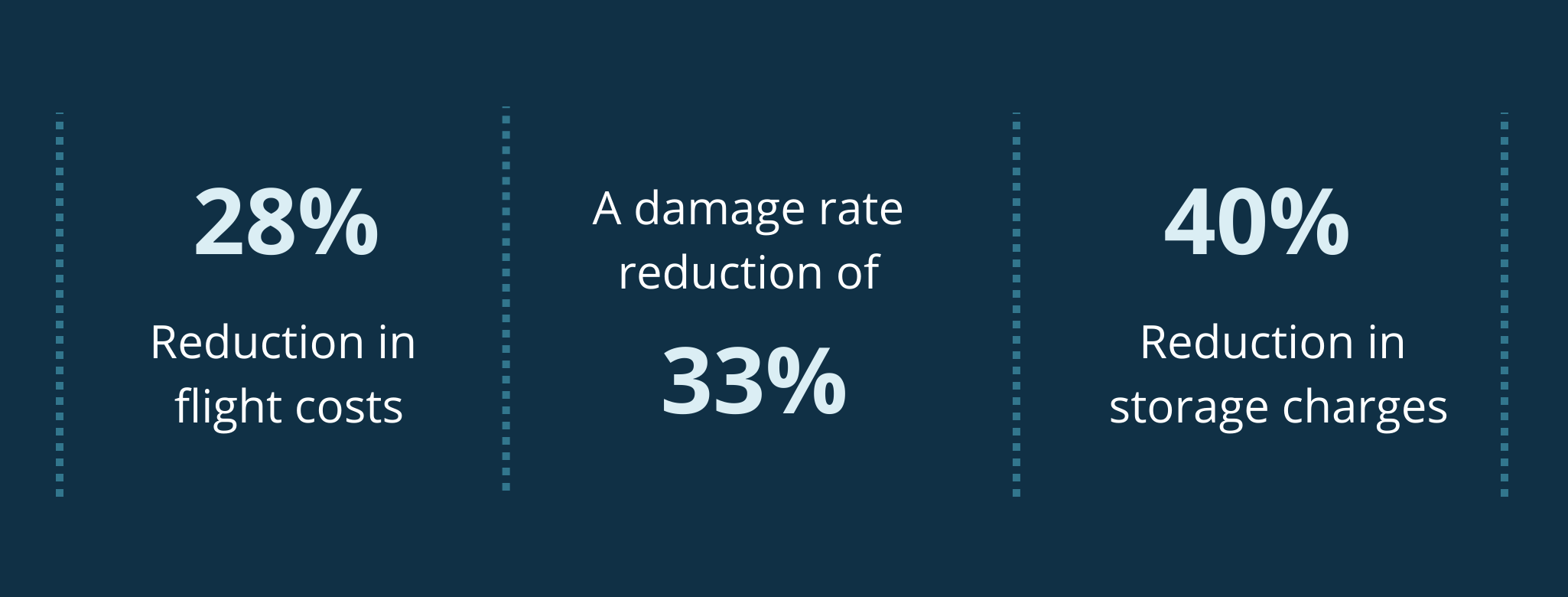
Key features of Masimo SafetyNet® include:

  • Continuous and spot check sensors to monitor patient vital signs remotely via Bluetooth connectivity in real-time
  • Over 150 live Customisable care programs, including training and educational material
  • Secure NHS NDG compliant network via AWS cloud, enabling 24/7 two-way audio and video communications with the capability for EMR integration
  • Dynamic dashboard and customisable alert limits to automatically notify and inform Clinicians as required

Masimo has a vision to support healthcare providers deliver effective and safe patient care from the comfort a patient’s home through hospital grade technology-enabled Virtual Wards. To support providers in rapidly implementing Virtual Wards, Masimo in partnership with Akeso have developed a suite of documents to achieve their goals, whilst ensuring quality patient care.

Contact our experts

Adam Thwaites

Director
Case studies – newspapers
Case Study

Client Testimonial: Lancashire and South Cumbria Health and Care Partnership

David Hutton, former Head of Cost Improvement at Lancashire & South Cumbria ICS said:

“Akeso were appointed to conduct an opportunity assessment into Lancashire and South Cumbria ICS’s use of non-emergency transport services, including fixed courier routes, ad-hoc courier usage, and the movement of staff and patients. Following this, Akeso produced an Outline Business Case setting out a preferred option for the delivery of non-emergency transport services across the region.

This included the following:

  • Implementing regional taxi booking processes and criteria
  • Optimising and redesigning the fixed courier network across five Trusts (moving specimens, goods, mail, and other items)
  • Implementing a centralised transport control tower to oversee and manage the network’s planned and ad-hoc activity and requirements in totality
  • Delivering a collaborative staff transport shuttle.

By collaborating with Akeso, we were able to conduct a courier network remodelling exercise, which suggested a 35% reduction in routes could be achieved through implementing collaborative service arrangements across five Trusts. It was estimated that this would realise a comparable reduction in emissions, as well as a 20 – 35% saving for the ICS. In addition to this, the implementation of a centralised transport control tower would be able to better regulate ad-hoc requirements and ensure maximum efficiency in managing these requirements from a cost and sustainability perspective.”

About the organisations:

Lancashire and South Cumbria Health and Care Partnership is an Integrated Care System (ICS), in collaboration across NHS, local authority, public sector, voluntary, faith and social enterprise and academic organisations, in operation across West, Central, and Pennine Lancashire, as well as the Fylde Coast and Morecambe Bay.

Akeso is a leading management consultancy providing analytics, transformational change and managed services to its clients, if you are interested in finding out more please contact us.

Covid-19 tests – logistics management for a global pharmaceutical company
Case Study

Logistics Management for a Global Pharmaceutical Company

Akeso & Co have supported Tanner Pharma Group UK’s (TPGUK) successful delivery of over 300m units of lateral flow devices (LFDs) to the U.K. Health Security Agency (UKHSA) since October 2021.

Insight

The Coronavirus (COVID-19) Pandemic was an unprecedented global crisis that challenged the limits of Healthcare systems around the world. A nation’s testing ability represented the most effective way to monitor and limit the spread of COVID-19 whilst also navigating the imminent threat of a nationwide lockdown. Throughout the pandemic, TPGUK have been a key supplier of self-test LFDs to the U.K. Government via the UKHSA.

TPGUK were contracted by the UKHSA in October 2021 to supply LFDs through an intricate and complex global supply chain. Combined with the emergence of the Omicron variant and in the lead up to winter 2021, the project rapidly escalated in scale and scope. We, as supply chain and procurement experts, were contracted to support and oversee all elements of the logistics and delivery process.

Some of the key challenges identified included:

  • Planning the delivery schedule based on manufacturing capacity in China;
  • Identifying and managing the flight booking process;
  • Responding to the rapid escalation of demand for LFDs because of the Omicron variant and winter pressures; and
  • Monitoring the overall logistics schedule.

Action

Our first priority was to understand manufacturing capacity which would ultimately dictate the delivery schedule. We had numerous meetings with manufacturing partners in China to review their production capacity and plan the downstream deliveries accordingly. Additionally, we developed a flight tracker to balance flights booked against production capacity. In this way, we ensured cost effective utilisation of flights, while also maximising the capacity to inbound LFDs into the U.K. at a time of increased demand.

Initial support regarding logistics tracking and planning progressed to overall management and integration with flight planning elements. We led stakeholder engagement and management through the daily operations review calls schedule with Kuehne and Nagel (TPGUK’s logistics sub-contractor) and twice weekly contract progress report updates to UKHSA.

Results

We were able to support the process and delivery of over 300m LFDs to the UKHSA when there was greatest need for them. This involved the operation of over 150 flights via 27 different routes involving 13 Chinese and 10 U.K airports over four months.

We ensured that the pace of project delivery matched that of the project escalation, while reacting to numerous challenges that threatened to delay or derail the rate of delivery. The efficiency improvements from the development flight tracker meant that we were able to leverage our expertise more effectively. This helped to mitigate risk, minimise financial waste and ensure delivery KPIs were met.

Akeso – Tanner Pharma – Case Study Results

In February 2022, UKHSA announced that TPGUK would continue to supply LFDs as the COVID-19 Pandemic progresses toward endemic status. Having recognised and implemented several improved ways of working, we have been able to further support TPGUK in their most recent purchase order delivery while achieving some key savings. With logistic operations simplification and improved planning, we delivered a relative reduction of 28% in flight costs, a 33% damage rate reduction and a 40% relative reduction in storage charges.

Akeso – Tanner Pharma – Case Study Quote

Contact our experts

Scott Healy

Managing Partner
Case studies – newspapers
Case Study

Patient Safety Business Case Development

In 2014, the Department of Health (DH) commenced an ambitious program, Scan4Safety, to transform the way that the NHS manages the numerous interventions that take place in NHS Providers at all points of care delivery everyday, both internally and externally with suppliers. The DH invited outline business case applications from NHS Provider Trusts interested in being one of six NHS demonstrator sites, who would be awarded investment of up to £2m to act as early adopters and communicate the benefits of Scan4Safety.
Working with a large top-tier Consultancy, we were engaged as a subject matter expert to deliver four of the final 12 Outline Business Cases, leveraging our direct experience of delivering transformational projects in the NHS involving technologies and solutions covered by Scan4Safety. We worked with a number of leading academic NHS Trusts around their process maturity and eProcurement capabilities. Our directors have presented on the topic at a number of events in the UK and the US, on behalf of GS1 and other organisations.

INSIGHT

The benefits of Scan4Safety adoption are significant: improved transactional efficiency, improved traceability and risk reduction, inventory and wastage reduction, released clinical time to patient care – all of which lead to improved patient outcomes and safety.
We have extensive experience of Scan4Safety relevant technologies including a number of Use and Enabler cases. We brought a number of methodologies and tools, including Hospital Supply Chain Maturity Framework and Diagnostics Tools, Financial Modelling and Market Studies of Healthcare Inventory Management and Procure-to-Pay systems.

ACTION

We analysed submissions from applicant NHS Providers. We engaged key stakeholders in organisations at all levels up to an including Executive, to validate the ambition levels within each of the four Trusts.
We developed a comprehensive business case framework for the final applications, based on the HM Treasury Blue Book methodology. We worked closely with applicant Trusts to complete the comprehensive business cases This included engagement with external suppliers, modelling of solution options as well as development and costing of implementation plans to take forward if successful.
We then developed four final recommendations and business case applications for DH Board approval.

RESULTS

Three of the four applications validated by us were successful in securing investment of up to £2m, as part of the six NHS providers selected as Scan4Safety demonstrator sites.

Contact our experts

Scott Healy

Managing Partner
Scan4Saftey Programme
Case Study

Implementation of a Trust-wide Patient Safety Programme

Akeso & Co supported Homerton University Hospital Foundation Trust (HUHFT) in the design and implementation of a Scan4Safety Programme and Inventory Management System (IMS). Captured in a detailed business case, the initiative is set to drive significant operational efficiencies and improvements to patient safety and care.

Akeso - Homerton Case Study - Healthcare Consultancy

Challenge

Homerton University Hospital Foundation Trust (HUHFT) is a major NHS provider of acute care in the London Borough of Hackney. With services spanning 75 locations across East London, including approximately 450 beds, 11 wards, three day-surgery theatres and six main operating theatres, HUHFT has a complex set of services and supporting supply chain.

Following a thorough opportunity assessment, a number of challenges were identified with regards to the current operations, accumulating in clinical time wasted, health and safety risks, as well as opportunities for cost improvements.

Some of the key challenges identified include:

  • Inefficient and inconsistent supply chain processes across wards and departments
  • Lack of visibility and control of inventory levels due to limited reporting capabilities
  • Segmented spending on products and consumables across wards and departments
  • Limited traceability of theatre implants through the supply chain to procedure due to manual processes
  • Strained working relationships between clinical and material management staff

Solution

To address the challenges identified, the project recommended HUHFT would benefit significantly from a Trust-wide IMS to improve inventory management and achieve patient-level costing. We supported HUHFT through a three-phased approach from business case development through to successful implementation.

Phase 1) Secure investment through a robust business case

With the support of key HUHFT clinical and operational stakeholders, we developed a compelling business case and secured the required backing to proceed to procurement. Through a detailed appraisal of the potential qualitative and quantitative benefits and risks, it was identified that implementation of a trust-wide IMS could deliver £1.4m in benefits over the next five years, from an initial £469k one-time investment.

Phase 2) Source and partner with the optimal provider

Following a route to market assessment, we facilitated a phased procurement process through a formalised ‘mini-competition’ to assist the Trust in their rigorous selection of a suitable IMS provider. Through taking this approach, we were able to secure an optimal solution balancing system capability and total five-year cost.

Phase 3) Implementation through rigorous PMO and change management

We project managed the implementation of the new IMS and change management of associated processes encompassed within the Scan4Safety programme, reporting to the patient safety board. From the outset, programme governance was implemented to ensure the new system and its related benefits were achievable and sustainable.  This involved the recruitment and setup of a programme board of Trust directors, and the chairing of regular meetings and presenting programme updates at Trust-wide Scan4Safety engagement sessions.

Results

The full benefits of the IMS solution will be seen during the next five years but it is already delivering significant savings and process improvements.

The one-time investments equating to £469,000 and subsequent improved processes is expected to generate £1.4m in cost savings, including:

Akeso - Homerton Case Study - Results

In addition to the projected quantitative benefits, implementation of a Trust-wide IMS is also expected to deliver number of qualitative benefits, including:

  • A reduction in the likelihood of ‘never events’ thanks to the patient level costing functionality which improves the traceability of implants, surgical instruments and medical equipment.
  • The release of up to six clinical WTEs, allowing them to re-focus on patient facing activities.
  • Automated processes, such as Barcode-driven ordering, that drive efficiencies in areas including procurement and recall.
  • Additional management information insights that enabled further efficiencies.
  • Increased clinical confidence in supply chain processes.
  • Compliance with GS1 and Scan4Safety.

What is next for HUHFT?

Following the success of the IMS and Scan4Safety pilot programme, HUHFT will continue to drive adoption of Scan4Safety to extended use cases, including potentially Blood Transfusion Scanning, Pathology samples, eMedicine, and many more.

Contact our experts

Scott Healy

Managing Partner
A door to redesigning a one of a kind NHS shared service facility
Case Study

Redesigning a one-of-a-kind NHS shared service facility

We’ve helped shape the NHS Wales Shared Services Partnership (NWSSP)’s long-term use and vision of a one-of-a-kind NHS physical shared service facility.

NHS Wales Shared Services Partnership – Potential

Challenge

In 2018, Welsh Government acquired a 275,000 sq.ft. warehouse in Newport to store core medical supplies as part of the EU Exit preparations. Longer term, the Welsh Government intended that the warehouse would be a strategic investment for Wales. NWSSP were responsible for defining the future shared service opportunity and asked us to develop a strategic outline case, demonstrating that the facility could generate broad benefit to Wales and be financially sustainable in the future.

NHS Wales Shared Services Partnership – Opportunities

Solution

We understood the importance of maximising the warehouse’s potential to contribute towards NHS Wales and broader government strategic priorities. We broke the project into four phases to determine how best to respond to the opportunity.

The first was to engage with key stakeholders to identify how everyone might benefit from the warehouse. The second was to evaluate service options that could deliver clinical, social, operational, and financial benefits for the Welsh Healthcare system. The third was to outline how the warehouse space could be best configured to support different functions and balance a range of benefit opportunities. And the final phase was to draft the strategic outline case and recommend the preferred future option for the Welsh government’s approval.

NHS Wales Shared Services Partnership – ROI

Results

The NWSSP Executive approved the preferred option and ring-fenced ongoing funding, with the adopted approach estimated to generate over £8m in benefits over the next 10 years. The recommended configuration will serve as a cornerstone for key Welsh strategies including the Wellbeing of Future Generations Act, Taking Wales Forwards and A Healthier Wales. It also provides an opportunity to fast track and accommodate initiatives already underway, including the Transforming Access to Medicines Programme.

Case studies – newspapers
Case Study

Delivering a value assessment for regional health and social care collaboration

The Greater Manchester Health and Social Care Partnership, is the largest of the 44 Sustainability and Transformation Partnerships (STPs) defined by NHS England, covering a group of 12 NHS providers (acute, mental health and community), with a non-pay spend of over £2bn per annum, covering a population of 3m and 480 primary care practices. As part of the Greater Manchester devolution agenda, we were engaged to identify and validate in detail the incremental benefits that could result from formalisation of the existing collaborative model and from leveraging the transformational changes from the implementation of the Greater Manchester STP. The project scope included Sourcing and Procurement and Supply Chain of Goods and Services and Pharmacy.

Insight

Whilst the core aim of “ensuring the availability of Goods and Services required to deliver effective and efficient Patient Care to the regions population” will be common to all Healthcare providers in a region, the distribution of this activity and the way in which it is delivered can be very different for each provider. Whilst the benefits of regional working are compelling (greater scale, more cost efficient delivery, sharing of best practice and standardisation, pool investment in technology), understanding each provider’s strategy, their relative areas of focus, priorities, strengths and Procurement capabilities is a crucial first step in the collaborative journey. Our consultants brought a number of methodologies, tools and experiences that have been developed and refined in a Healthcare context, including Capability Assessment and Organisational Diagnostics Tools, a proven Procurement Transformation approach that addresses all areas of capability (People & Organisation, Process and Systems) and Category Intelligence (Client experience, Market Studies etc.).

Action

Our consultants conducted a detailed analysis of resources and costs, capabilities, governance, process maturity and technology to develop a detailed as-is view of the current Procurement Operating Model across providers in the region, identifying areas of commonality and difference. We conducted a total 3rd-party spend analysis with opportunity assessment, analysing four key areas in depth, that would most benefit from a regional approach across Clinical and Non-clinical spend on Goods and Services and Pharmacy. We evaluated a range of options to maximise the return on the collaboration and developed and socialised a Board-level paper which set out the options we had evaluated with a recommendation, underpinned by a HM Treasury 5-case business model.

Results

We developed a fully costed recommendation that reflected the optimal balance between commercial ambition and cost, operational capability and efficiency, and overarching provider strategies. A number of key initiatives from overarching strategy have been taken forward on an advanced basis. We continue to play a role in the delivery of these projects.

Contact our experts

Chris Robson

Chris Robson

Managing Partner
Supply chain value assessments
Case Study

Private Provider Value Assessment

We have been engaged separately by two leading Private Hospital Groups who were keen to explore the potential value of taking a more integrated approach to the supply chains serving their networks of Healthcare facilities. The two projects were delivered independently and confidentially.

Insight

Like public sector Hospitals, private operators have to deal with the receipt, handling and onward distribution of a diverse range of product supplies and equipment. Unlike their public sector counterparts (who until very recently were focussed on Hospital operations within a city or a very concentrated area), private sector Hospital providers have been grappling with the challenge of how to secure supply chain network efficiencies over a wide geographic area for some time. This is compounded by the faster pace of change to their businesses and the need to turn a profit.
Our consultants brought extensive Healthcare and cross-sector experience to these projects including insights on leading supply chain and inventory management practices and established methodologies including a Hospital Supply Chain Maturity Framework, Cost-to-Serve models and Market Intelligence on leading sector Logistics and Solution providers.

Action

We confirmed the scope of supply chain relevant activities, gathered and analysed spend, contract and activity data from across the organisation to built a detailed ‘cost-to-serve’ model for the entire Hospital provider network. We benchmarked the activity and practices to public sector and cross industry (Fast-moving consumer goods, Retail and Automotive) comparators. We engaged with clinical and operational stakeholders to understand the current situation, key challenges and requirements.
We modelled a range of value enhancing supply chain options (using segmented flow models) and jointly, alongside key stakeholders, developed a recommended supply model which reduced costs and improved service levels.
We then developed a final recommendation that achieved the best balance of client and stakeholder requirements, including a full detail business and investment case to take forward on subsequent phases.
We developed an implementation roadmap with interdependencies and priorities clearly specified and mapped. This included a central control capability established to enable benefits to be sustained and tracked over the longer term.

Results

We identified, quantified and developed a series of initiatives that would yield c. 30% to 40% in one-time inventory benefits and 25-35% savings in recurrent supply chain costs, thus reducing average cost-to-serve.

Contact our experts

Scott Healy

Managing Partner
Guys and St Thomas Hospital
Case Study

Facilities Management Cost Reduction

Guy’s & St Thomas NHS Foundation Trust (GSTT) comprises two of London’s best known teaching hospitals, St Thomas’ Hospital and Guy’s Hospital, providing a full range of hospital services to the local community and specialist services nationally. GSTT is one of the largest Trusts in the UK with a turnover of almost £1.5bn and 15k staff, treating over 2.4m patients per year, including 88k inpatients, 103k day cases, 1.2m outpatients and 800k patients in community services.

GSTT operates a wholly owned subsidiary, Essentia, which provides Facilities Management (FM) for GSTT. Essentia was challenged to deliver cost savings, improve service quality and manage an aging asset base to maintain uptime through a blend of in-house and externally contracted services. Akeso were engaged by Essentia to complete a total cost review of the Hard Facilities Management service (Engineering and Building Maintenance) to identify near term and long-term cost reduction and operational efficiency opportunities in 3rd party spend and the internal service.

Insight

Essentia was challenged to deliver cost savings in addition to assuring service quality and maintaining an aging and diverse asset base, with very limited funds for investment. We brought a number of methodologies, tools and experiences to support the client through each stage of the project including a proven Opportunity Assessment approach, Capability Development (People & Organisation, Process and Systems) and Hard Facilities Management-relevant Category and Market Intelligence.

Action

In Phase 1, our consultants led the process to identify the value through benchmarking GSTT to peer Trusts in terms of scale/ size and location using latest Estates Return data from NHS Digital. We completed in depth reviews and analysis for a number of key product and service contracts with the client and incumbent providers to evaluate fulfilment of requirements and to develop strategies to improve performance and leverage benefits where suppliers were failing to meet performance standards. We then prepared a Board level recommendation for a Programme Delivery setting out a range of tactical and strategic options.

In Phase 2, we designed and led a joint Consultant:Client delivery program to implement the recommendations. We developed and ran multiple Tenders, which included soft supplier market engagement, the development of output based specifications and the design of contract models that would permit the involvement of local SME providers. We finally designed and costed a detailed process improvement plan to transform the end-to-end Hard FM Callout process handling 50k callouts per year.

Results

We established and mobilised a structured Trust-wide improvement programme which delivered savings and improvements across all areas of Engineering and Building Maintenance to improve customer service and regulatory compliance and reduce cost to serve.

Contact our experts

Scott Healy

Managing Partner
Laboratory Diagnostics
Case Study

Diagnostics Laboratory Cost Reduction Programme

NHS Pathology Laboratories in England process nearly 800m blood specimens per year. Working on behalf of a vanguard Pathology Services Collaboration (following the Lord Carter report) involving 8 Hospital providers, over 400 community sites and over 28m reported tests, we were engaged to evaluate current testing costs, baseline non-pay, diversity and opportunities to consolidate Diagnostic and Laboratory Equipment portfolio, Consumables and Services with the aim of delivering efficiencies and cost reductions across the newly formed Pathology operation.

Insight

As in any post-merger cost reduction situation, the key to success is to rapidly bring together data and information from a number of disparate sources and organisations and develop a working view of the merged reality that allows the client to understand which areas of spend are addressable, which are committed and for how long, the opportunities to drive value and what needs to happen to enable and maximise these opportunities.

We used a number of methodologies and tools, including Opportunity Assessment, Financial Modelling, Category Workbooks for Pathology Equipment, Consumables and Services and Programme Planning to understand the current situation, identify cost reduction opportunities and recommend a cost reduction programme.

Action

Our consultants gathered and analysed spend, contract and activity data from across the newly merged organisations to baseline costs. We engaged key stakeholders in the Pathology Laboratories and Hospital Customers to understand the current situation, key challenges and customer requirements.
We led the engagement with leading providers, incumbent and competitor, to understand leading technologies/ solutions and identify relevant value opportunities. We modelled a range of programme delivery options and developed a recommendation which best met the client requirements.

We led the implementation of our recommendations which included development of specifications, sourcing and implementation of Managed Pathology Services for Biochemistry platforms and consolidation and sourcing of Research Consumables. We also provided the client with a toolset to track benefits.

Results

We delivered a savings programme that yields annualised savings averaging 8% on a total non-pay spend of £22m. Sub-category initiatives delivered savings ranging from low single digit to high double digits.

We supported the implementation of Hub and Spoke strategy delivering a Diagnostics Platform strategy that consolidates and standardises test platforms over three years.

Contact our experts

Chris Robson

Chris Robson

Managing Partner
Optimisation of diagnostic specimen collection network
Case Study

Optimisation of Diagnostic Specimen Collection Network

CASE STUDY

Optimisation of Diagnostic Specimen Collection Network

Context

NHS Pathology Laboratories in England process nearly 800 million blood specimens per year. Of these, around 50 million tests (6 percent) originate from the 7,800 GP practices (averaging 6,440 tests per GP practice), while the rest originate from Hospital Provider networks and other sources.

We were engaged by a number of Pathology Service Providers, individual providers and regional collaborations (the largest handling up to 1.75 million samples from almost 400 GP practices and community locations operating Phlebotomy services) to assess, design and implement efficiency improvements to the Community Specimen Collection Network.

Methodology

Like any network, the Specimen Collection Network is dynamic and evolves over time. It quickly begins to change as individual GP practices and community care providers make changes to their practice locations, opening hours and service locations, and as new providers enter the market providing Phlebotomy services.

We used a number of Network Modelling methodologies and tools, combined with our sector experience, to understand the current network and design a solution which best met the customer and Laboratory requirements (better service, reduced collection cost per reported test result, etc.).

Our consultants analysed the volumetric, activity and financial data from across the network to baseline costs. We engaged key stakeholders in the Pathology Laboratory and a sample of key GP and community customers to understand the current situation, key challenges and customer requirements.

We led the engagement with local and national Transport and Technology providers to identify relevant solution options. We modelled a range of solution options and developed a recommendation which best met the customer requirements. We led the implementation of our recommendations, which included the development of specifications, competitive tenders and the implementation of change management, providing the client with a toolset to track benefits and monitor volumetric going forward.

Impact

Akeso developed two approved business cases, including the completed clinical engagement, healthcare planning, demand modelling, intervention planning, and design work, all supported by the organisation’s clinical teams. In total, the Health on the High Street project was forecast to deliver over £3.1m in annual benefits, including:

Sustainable model Ensured sustainable efficiencies to enable providers to keep pace with network changes

Improved service Enhanced customer service and sample traceability from collection to testing

4-hour window Maintained compliance with the critical four-hour collection-to-test window despite route redesign

0 %
to
0 %

Delivered savings ranging from 9 percent to 17.5 percent (reduced collection cost per reported test result, reduced carbon footprint)

Contact Our Experts

Scott Healy

Managing Partner

scott.healy@akeso.co.uk